
CQC has spent the past year clarifying, rather than inventing, how AI fits into regulated care, and the answer keeps coming back to the same two conditions, human oversight and demonstrable governance.
Home Care Providers Face A Governance Gap As AI Calling Tools Mature
CQC’s position on artificial intelligence has hardened into something providers can actually work with. Not a new framework, and not a bolt-on set of AI-specific rules, but a repeated insistence on two things, a human has to remain behind any decision that affects someone’s wellbeing, and a provider has to be able to show, not just assert, that the governance around a tool is sound. That clarity has been a long time coming, and it lands at an awkward moment for anyone assuming AI-enabled monitoring tools are plug-and-play.
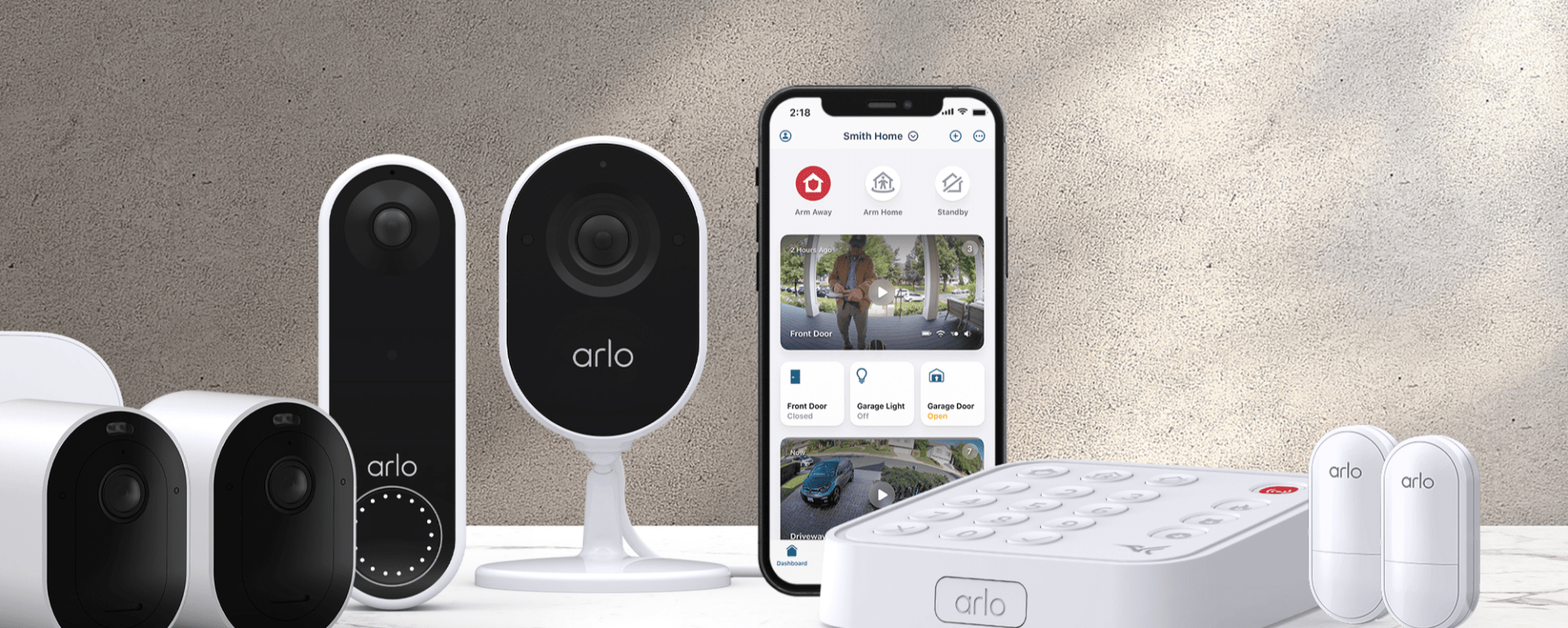
In April earlier this year Arlo Technologies’ acquisition of Aloe Care Health took place, the AI-powered medical alert and monitoring platform that gave the smart security firm its entry into ageing-in-place care. This week brought the first real product to land under that acquisition at scale. An expanded partnership with Home Helpers Home Care, a large US in-home care franchise, rolling out an AI wellness calling tool called ConnectAI across its existing Direct Link programme.
What The US Deal Actually Shows
Arlo’s pitch, delivered by senior vice president Evan Schwartz, centres on combining conversational AI with caregivers’ in-person work to reduce avoidable falls and hospital admissions while easing routine monitoring load on staff. Home Helpers’ Alan Wilson framed it as continuous innovation aimed at keeping older adults connected. Read past the framing and the mechanics are straightforward an AI system placing wellness check-in calls, issuing medication reminders, and surfacing alerts to care teams when something looks off.
None of that is exotic. What’s notable is the scale and speed of the rollout, layered onto infrastructure already sitting in thousands of American homes. That’s the part worth UK attention, not the branding. Ambient and voice-based monitoring is moving from pilot to default fast, and UK domiciliary providers watching the space will increasingly be offered similar tools by vendors keen to replicate the US pace of deployment.
The Governance Line CQC Keeps Drawing
CQC’s guidance draws a consistent distinction between a tool that supports a human decision and one that quietly becomes the decision. An AI system flagging a missed medication check to a care coordinator sits on the acceptable side of that line. A system whose output is treated as the assessment itself does not. This isn’t a technicality. It’s the difference between a defensible governance record and one that collapses the moment CQC asks a provider to evidence it.
CQC has also been clear that people using a service must be told when an AI tool is involved, even where the legal threshold rests on implied consent rather than a signed form. That’s a lower bar than many providers assume, but it still requires an active step most consumer-facing ageing-in-place products, built for private-pay households rather than registered care activity, don’t obviously build in. A tool designed for the Home Helpers model, franchised, largely private-pay, non-clinical, doesn’t map cleanly onto a CQC-registered domiciliary service without deliberate rework.
Why The Timing Matters
This is landing as CQC overhauls its own inspection architecture. The regulator is replacing its current quality statements with a smaller set of key lines of enquiry, and its adult social care chief has said inspectors should spend the bulk of their time on direct observation rather than paperwork review, with AI positioned as a tool to free up that inspector time rather than a subject requiring separate scrutiny. That’s a regulator becoming more comfortable with AI in principle. It is not a regulator lowering the bar on what providers need to prove.
For a domiciliary provider evaluating a ConnectAI-style tool, the practical task isn’t procurement. It’s documentation: who reviews an alert, how quickly, what happens if nobody does, and how that whole chain gets recorded in a way an inspector can actually follow. Providers who treat that as an afterthought are the ones CQC’s guidance is implicitly warning about.
The direction of travel is not in question. AI-enabled wellness calling will keep scaling in the US and will keep arriving on UK vendor roadmaps. What determines whether it lands well here is whether providers build the governance case before adoption rather than after an inspection finds it missing. CQC has given the sector unusually specific signals about what it wants to see. The tools are ready. The paperwork, in most cases, isn’t yet.


4 thoughts on “What CQC’s AI Rules Actually Mean As Care Calling Tech Scales Up”