
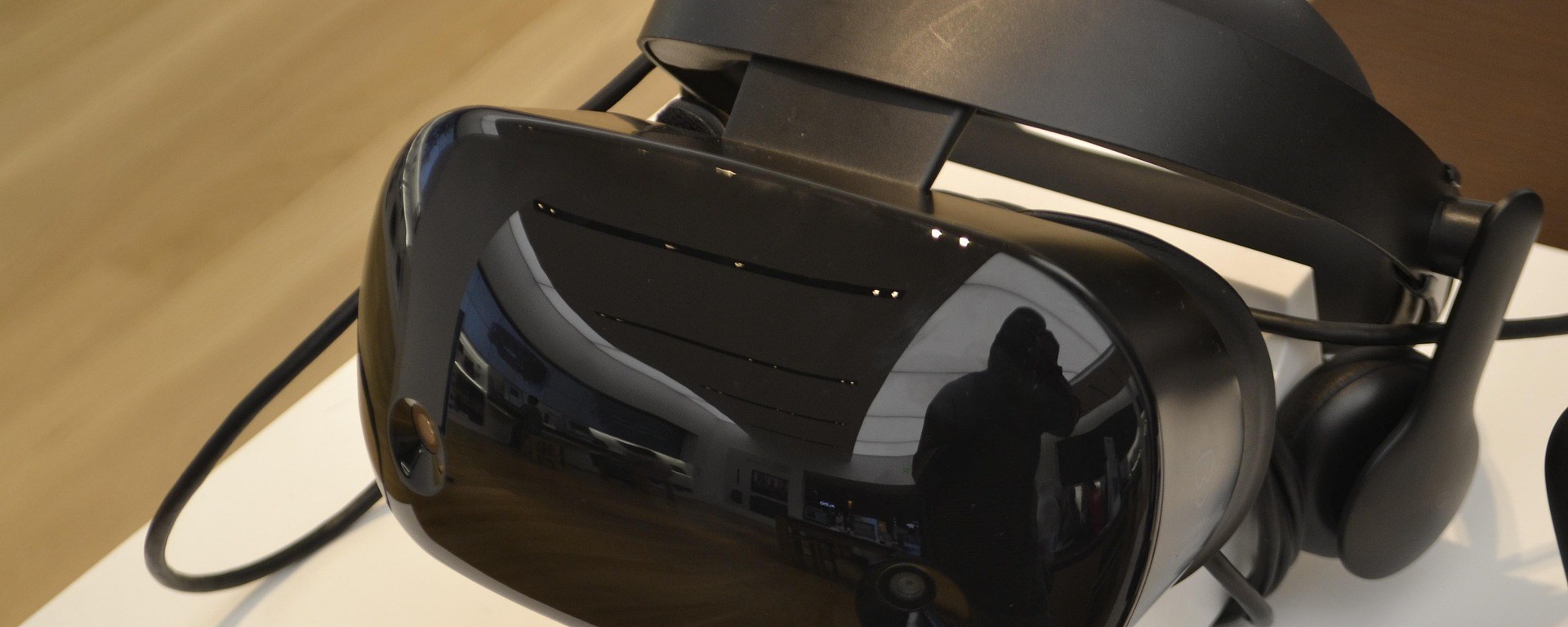
Port Manor Care Home in Seaford has begun using 360-degree virtual reality headsets within its new Memory Lane Community, part of a growing move to bring reminiscence-based technology into specialist dementia care.
Seaford Care Home’s VR Trial Tests What Person-Centred Dementia Care Means
Dementia care in England is under two pressures at once. Demand is rising steadily as the population ages, while providers are expected, under the Care Act 2014 and the Care Quality Commission’s inspection framework, to show that care is genuinely person-centred rather than merely compliant. Against that backdrop, a care home in East Sussex introducing virtual reality headsets into a dementia unit is a small story with a large context attached, and it is worth asking what the technology adds beyond good intentions.
A Specialist Unit Built Around An Escalating Need
Port Manor Care Home, run by Barchester Healthcare, has opened a Memory Lane Community, a dedicated environment for residents living with dementia, and introduced immersive 360-degree VR headsets as part of its activity offer there. Resident Sue was among the first to try the equipment, supported by Deputy General Manager Ellie West, who said the home is “always looking for new and meaningful ways to enhance the lives of our residents.”
What The Technology Is Actually Being Asked To Do
Strip away the framing and the offer here is reminiscence therapy delivered through a headset rather than a photograph album or a music playlist. Residents are shown 360-degree footage of familiar or evocative settings, childhood streets, coastlines, gardens, with the stated goal of prompting recognition, storytelling and emotional engagement. This is not a new therapeutic idea. Reminiscence work has been a staple of dementia care for decades, built on the observation that long-term memory often remains more accessible than short-term recall as the condition progresses. What VR changes is the degree of immersion, and, in theory, the range of environments a bedbound resident can be transported into without leaving the building. Whether immersion itself improves outcomes, rather than simply making the experience more engaging in the moment, is a separate and less settled question.
The Evidence Base Is Still Catching Up With The Enthusiasm
Care providers describing VR as calming and engaging are working from something real. Anxiety and agitation in dementia care often respond well to distraction and sensory redirection, and a headset simulating a beach or a familiar street is a plausible tool for that. But the sector should be careful not to let operational enthusiasm outrun the evidence. Alzheimer’s Society has backed VR reminiscence work through its Accelerator Programme, including a project using person-centred virtual reality to support mental and social wellbeing, which suggests the approach is being taken seriously at a research level rather than treated purely as a novelty. What is less established, at least in anything Port Manor or Barchester have published, is measured outcome data from this specific deployment: how often residents use the headsets, or how staff track changes in agitation and engagement over time. Absent that, the story is a genuine and welcome initiative, but not yet demonstrated impact.
What It Means For Providers Beyond One Care Home
For domiciliary and residential providers watching from outside Barchester’s group structure, the practical question is cost and staffing rather than novelty. Running VR sessions well requires staff time to set up individually, to watch for disorientation since headsets can occasionally unsettle rather than soothe, and to tailor content to each resident’s own history. That is a workforce cost layered on a sector already stretched by recruitment and retention pressures. It sits alongside a broader shift toward technology that does not rely on added staff time to operate, of the kind some home care providers have adopted to reduce the burden on care teams. VR reminiscence sits at the opposite end of that spectrum, closer in spirit to the hands-on assistive technology trialled at Greater Manchester’s combined independent living and training academy, where technology is tested alongside training rather than instead of it.
Where This Goes Next
The direction of travel is clear enough. Immersive technology is moving from pilot curiosity to a recognised, if still unevenly evidenced, feature of dementia care activity programmes, and providers with the capital to build specialist units are likely to keep adding it to their offer. What the sector should watch for is not whether more care homes buy headsets, but whether operators start publishing outcome data, agitation scores, engagement frequency, staff time invested, that would let commissioners and families judge the claims against something more than a warm quote from a deputy manager.
Port Manor’s trial is a reasonable, low-risk addition to a specialist dementia setting, and residents like Sue appear to be getting genuine enjoyment from it. Whether it becomes a meaningful clinical tool or a pleasant activity with good publicity value depends on what Barchester, and the wider sector, choose to measure next.


3 thoughts on “Inside the VR Headsets Being Trialled in a Sussex Dementia Care Setting”