
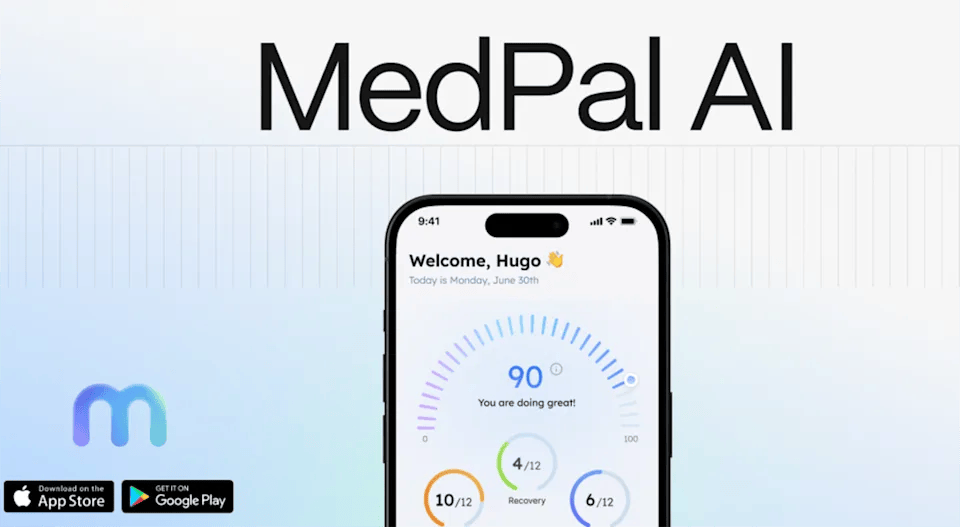
Digital medication records were meant to be standard across UK social care years ago, yet adoption still lags national targets. MedPal AI’s acquisition of eMARx shows how care technology providers are moving to fill that gap themselves, and what it costs commissioners when they do.
Why MedPal AI’s eMARx Deal Signals a Shift in Care Home Technology
British care providers have been told for years that digital records are coming, but adoption has not caught up with the rhetoric.
Government figures put digital social care record uptake among CQC-registered providers at roughly six in ten, well below the 80 per cent target set for March 2024, and medication administration remains one of the areas where paper still dominates in large parts of the sector. Into that gap steps MedPal AI plc, the AIM-listed digital health and pharmacy group, which has acquired Solid State Technologies Ltd, trading as eMARx, for approximately £474,000. The deal is small. What it represents about the direction of care technology in the UK is not.
Digital Social Care Adoption Is Still Behind Target, And Software Vendors Know It
The Care Quality Commission’s own guidance on electronic medicines administration records sets a demanding bar, safety alerts for medicines given too close together, auditable handling of mid-month changes and hospital discharges, and compliance with the Data Security and Protection Toolkit.
Providers still running paper MAR charts are increasingly exposed at inspection, particularly under the Safe and Well-led key lines of enquiry. That exposure is precisely what has made electronic care planning and medication software a commercial category worth acquiring into, rather than building from within.
eMARx, founded in 2020, arrives with an established base of national care groups, including Care UK, plus pharmacy groups and independent operators. It reported unaudited revenue of £739,231 for the year to March 2026, up 19 per cent on the prior year, with profit after tax of £106,273 and gross margins around 82 per cent. That is not a distressed asset changing hands. It is a working, profitable slice of home care technology being folded into a larger platform.
The Acquisition Fits A Pattern Of Consolidation In Care Technology UK
The transaction structure matters as much as the price. MedPal’s initial consideration of roughly £380,000 splits between £133,066 in cash and just over 7.2 million new shares, with a completion adjustment expected to bring the total to around £474,000. All six eMARx staff transfer across, and the wider shareholder group takes MedPal equity subject to lock-up, a structure built to retain expertise rather than simply absorb a customer list.
Jason Drummond, founder and chief executive of MedPal, said the deal completed the group’s Health OS, describing medication as the point where digital infrastructure meets the resident directly, dose by dose, in real time.
Integrated Platforms Are Reshaping What Community Health Technology Buyers Expect
MedPal’s broader proposition already spans NHS distance-selling pharmacy operations, a robotic dispensing hub at Sarus Court in Runcorn built on BD Rowa automation, and an AI-supported patient tool. eMARx closes the remaining gap between prescription and administration, giving the group a claim to something few competitors in remote monitoring or domiciliary care technology can currently offer, a single connected chain from NHS script to bedside record. Whether that integration delivers operational benefit at scale, rather than just a tidier sales pitch, depends on execution.
What This Means For NHS Digital Transformation And Integrated Care Technology
MedPal puts the addressable UK care home market at roughly £27 billion, spanning around 16,500 homes and 530,000 beds. That scale is real, but so is the sector’s patchy history of digital delivery. This deal narrows the field of vendors able to offer prescribing, dispensing and administration as one integrated care technology service, and it does so at a moment when regulatory pressure on medication safety is only increasing. Whether that consolidation improves outcomes for residents, or simply improves margins for MedPal, is the question worth returning to once the integration has had time to bed in.

