
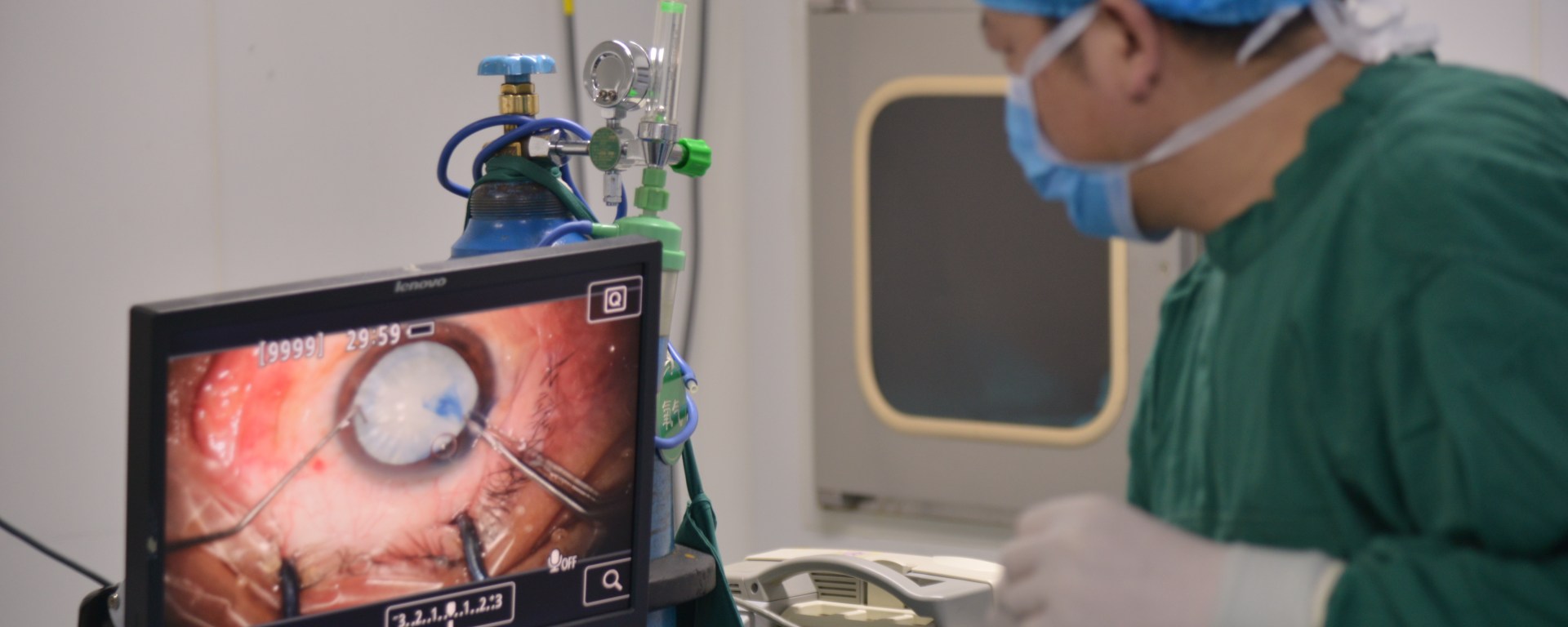
The Cumberland Infirmary has carried out its first robot-assisted operations, more than a decade after the technology became standard in England’s larger centres.
Robotic Surgery Arrives in Cumbria as Trust Chases Faster Recovery
For most of the past decade, robotic surgery has been a marker of where in England you happened to fall ill. Teaching hospitals and major regional centres adopted systems like the da Vinci Xi early, while smaller and more rural trusts waited, constrained by capital budgets, theatre capacity and the workforce needed to run them. North Cumbria Integrated Care NHS Foundation Trust has just closed part of that gap.
The Cumberland Infirmary in Carlisle has completed its first robot-assisted procedures, using the da Vinci Xi system on roughly 17 patients undergoing bowel cancer treatment and smaller abdominal operations. It is a modest number in absolute terms. It is a significant one for a trust whose patients have, for years, effectively had a different standard of surgical care available to them than patients an hour or two down the motorway.
What The Technology Actually Changes
The da Vinci Xi is not a novelty. It has been used across England for more than ten years, and the clinical case for robot-assisted keyhole surgery is well established: greater precision for the surgeon, smaller incisions, and typically a faster, less painful recovery than open surgery.
Colorectal consultant Chris Rao, who has led the programme at the Cumberland Infirmary, said he expects it to become the default rather than the exception, telling reporters he hoped 90% of the trust’s keyhole operations would be carried out robotically “within a short space of time.” That is an aggressive ambition for a system with only a few months of live use, and it signals that this is being treated as a platform shift for the trust’s surgical service, not a pilot.
Recovery Speed Matters Beyond The Operating Theatre
The operational case for robotic surgery extends well past the theatre door, and this is where the story becomes relevant to commissioners and system leaders rather than just surgeons. Rao has pointed to shorter hospital stays, fewer complications and fewer readmissions among patients treated robotically in his speciality, alongside the capacity benefit of being able to complete more procedures in a working day.
For an integrated care system already under pressure on elective recovery targets and discharge flow, a technology that reliably shortens length of stay is not a marginal clinical improvement. It is a lever on bed occupancy, on theatre throughput, and on the downstream demand that lands on community health and social care teams managing post-operative recovery. Patients going home a day or two sooner is a discharge planning outcome as much as a surgical one, and it is the kind of data ICBs will want tracked carefully as the service scales.
An Early Patient’s Experience
The trust’s own account of the technology’s early impact is anecdotal rather than statistical at this stage, which is worth stating plainly given how young the programme is. Lee Ellis, a 43-year-old from Carlisle who underwent gallbladder surgery using the new system, described a quicker recovery than he had anticipated and neater scarring compared with previous operations. Single-patient testimony is not evidence of outcomes, but it does illustrate the kind of patient experience the trust is now positioning as central to its case for further investment, particularly as it looks to extend the technology to West Cumberland Hospital in Whitehaven.
The Regional Equity Question
What distinguishes this story from a routine equipment upgrade is the geography. North Cumbria has historically sat towards the back of the queue for surgical innovation, and Rao has been explicit that closing that gap is part of the trust’s rationale, arguing that patients in Cumbria deserve care of the same standard available elsewhere in the country. That framing matters for how other rural and coastal trusts read this development. If North Cumbria can secure a robotic system and build a credible expansion plan around it, the pressure on comparably sized trusts to make the same case to their boards and their ICB will grow. Capital allocation for surgical robotics has tended to follow patient volume and existing surgical infrastructure, both of which favour larger urban trusts. A rural trust demonstrating clinical and operational results on a lower base could become a useful reference point in that funding conversation.
What The Sector Should Watch Next
The immediate test is whether the trust can move from roughly 17 cases to something approaching its stated 90% ambition without the workforce and training bottlenecks that have slowed robotic adoption elsewhere. Surgeons need proctored training time on the system before they can operate independently, and theatre teams need to be reconfigured around it. The second test is whether West Cumberland Hospital secures its own system, which would determine whether this becomes a genuinely trust-wide capability or remains concentrated at a single site. Neither outcome is guaranteed on the evidence available so far, but the direction of travel at North Cumbria is now clear, and it is one other rural trusts are likely to be watching closely.
Robotic surgery has stopped being a story about frontier technology. In Cumbria, at least, it has become a story about whether rural patients get the same operation their urban counterparts have had access to for a decade. That is a more mundane framing than the technology itself might suggest, but it is the one that will determine whether this rollout is judged a success.

