
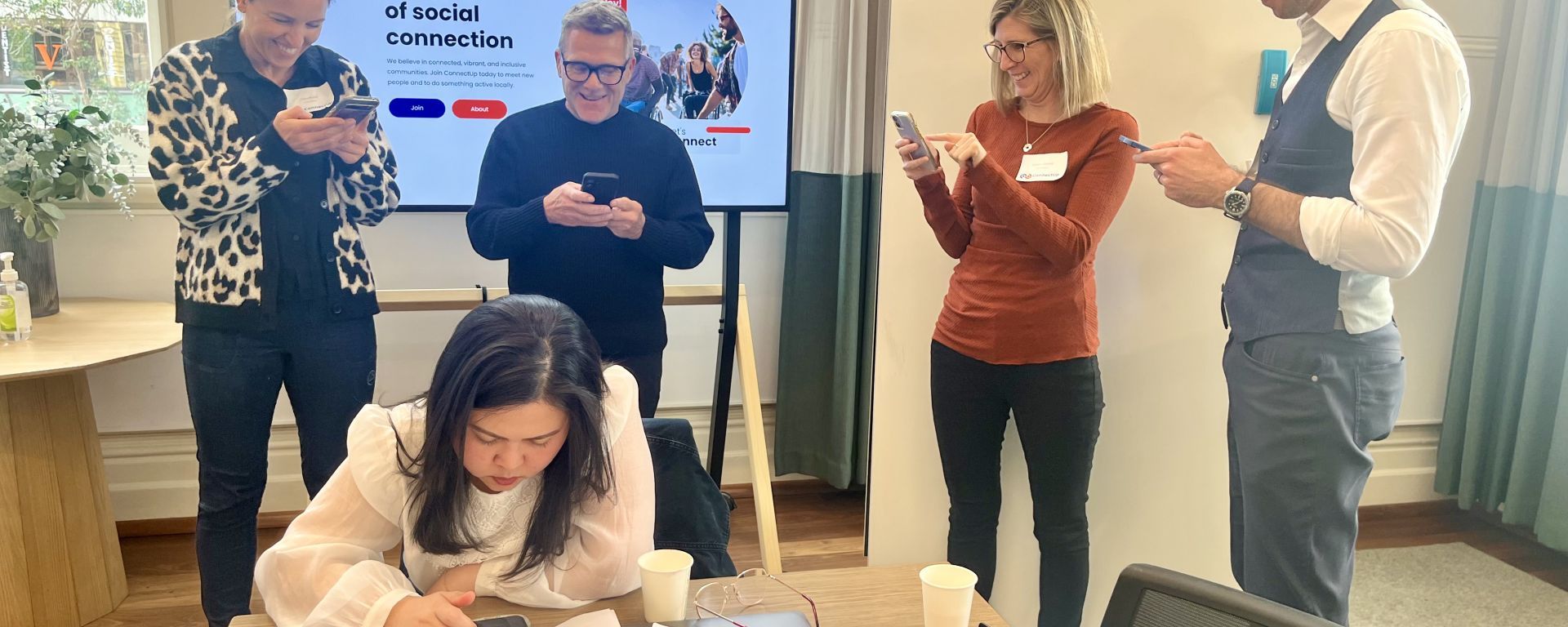
A digital platform developed in Australia is demonstrating how co-designed technology can address social isolation among people with disability and unpaid carers.
From Isolation To Inclusion How Co-Designed Digital Platforms Are Reshaping Social Care
Social isolation is one of the most persistent and underreported challenges facing the care sector. For people living with disability, and the often-invisible workforce of unpaid carers who support them, access to community life, physical activity and meaningful connection can be frustratingly difficult to achieve.
A new digital platform developed by researchers at the University of Melbourne is attempting to change that and the model it has pioneered carries significant implications for how the UK thinks about social care innovation.
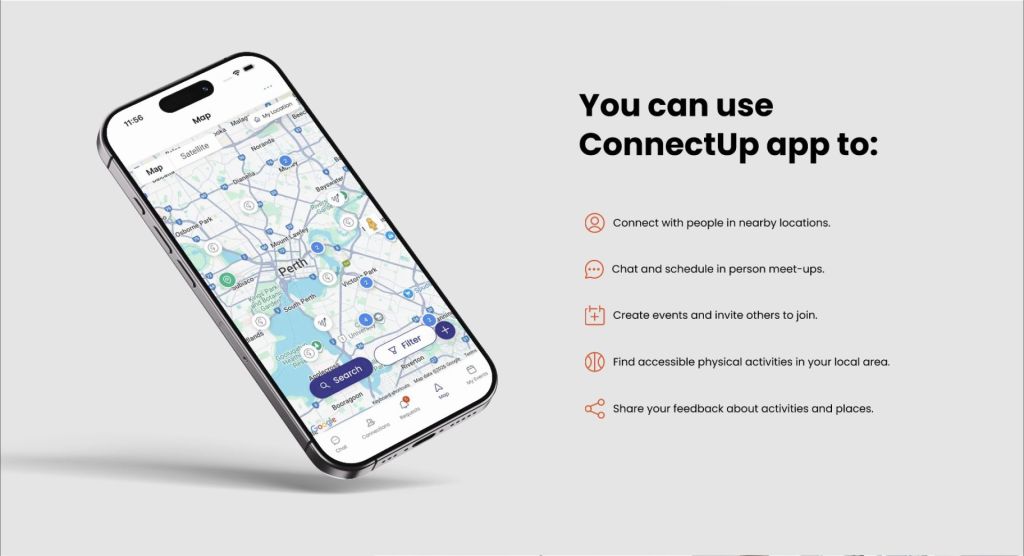
ConnectUp, which launched nationally in Australia this month, is a digital platform that enables people with disabilities and careers to find one another, discover inclusive local activities, and review accessible venues and community spaces.
Users can create profiles, communicate with others in their area and organise shared physical activities whether that is joining an inclusive fitness class, attending a local sports session or simply arranging a walk in a nearby park. Critically, it is not a platform designed in isolation by technologists and then handed to communities. It was co-designed with them.
The Scale Of A Problem The UK Knows Well
In Australia, carers contribute an estimated £41.29 billion (AU$77.9 billion) in unpaid care annually to the economy, yet frequently experience poorer physical and mental health than the general population.
The parallels with the United Kingdom are striking. Carers UK has consistently documented elevated rates of stress, anxiety and physical ill-health among unpaid carers, and NHS data has repeatedly identified social isolation as a key driver of poor outcomes for disabled people and those with long-term conditions.
Community-based social prescribing programmes, peer support networks and wellbeing apps have all expanded in recent years, but questions persist about whether these tools are genuinely shaped by the people they are meant to serve.
What UK Care Providers And Commissioners Should Take Away
For care providers, local authorities and NHS community services in the UK, ConnectUp is instructive in several respects. First, it demonstrates that social isolation among disabled people and carers cannot be adequately addressed by clinical tools alone. Platforms that build social infrastructure connecting people to each other and to community resources require a different design logic, one that centres lived experience rather than clinical pathways.
Second, the platform illustrates the commercial and reputational value of genuine co-design. Testing with younger adults aged 18 to 25 led to substantive changes in navigation and functionality, not cosmetic ones. Accessibility was embedded from the outset rather than retrofitted, a principle that the UK’s Accessibility Requirements for Public Sector Bodies regulations have made legally as well as ethically significant for publicly funded care technology.
Third, and perhaps most importantly for a sector facing intense resource pressure, the citizen science model points towards a lower-cost, more sustainable approach to community intelligence. Rather than commissioning expensive local audits of accessible venues and services, platforms like ConnectUp harness the knowledge that communities already hold and make it available at scale.
Co-Design As A Core Principle, Not An Afterthought
What distinguishes ConnectUp from many digital health interventions is its commitment to co-design as a foundational methodology rather than a box-ticking exercise. The research team, led by Associate Professor Dominika Kwasnicka at the University of Melbourne and supported by organisations including Carers WA, partnered with people with disability and carers at every stage of development from the platform’s logo and navigation to its communication features and accessibility functions.
An early prototype revealed a gap that many technology developers overlook. Users were signing up and engaging online but rarely progressing to in-person connection. Feedback from co-design sessions pointed to a more fundamental need, reliable, geographically relevant information about what was actually happening in local communities, and which venues were genuinely accessible and welcoming. As one carer involved in the process put it, the value lay in “bringing all those together in one umbrella” rather than scattered across separate newsletters and websites.
Citizen Science Meets Social Care
In 2023, ConnectUp partnered with the Australian Citizen Science Association, applying the participatory data-gathering model more commonly associated with ecological monitoring to social inclusion. The result was a platform where communities actively contribute information about accessible spaces and inclusive events, creating a living, crowd-sourced picture of local opportunity.
The project expanded into a national collaboration involving eight Australian universities, the Commonwealth Scientific and Industrial Research Organisation (CSIRO), healthcare partner Ramsay Health Care, and a range of disability and community organisations. It represents a level of cross-sector coordination that the UK social care innovation landscape still characterised by fragmentation between NHS trusts, local authorities and third-sector providers might do well to study.


One thought on “Why A University Research Team Built A Social Network For Carers And What It Could Mean For The NHS”