
A £71 million investment in Northern Ireland to digitise the prescription process with its ePharmacy programme and overhaul how children and families access support.
The Funding That Changes The Conversation
For years, the gap between ambition and resource has defined the pace of digital transformation in UK community health services. That gap has narrowed considerably in Northern Ireland following the announcement of over £100 million in combined funding, with £71.2 million of that directed at two specific programmes through the Public Service Transformation Bid.
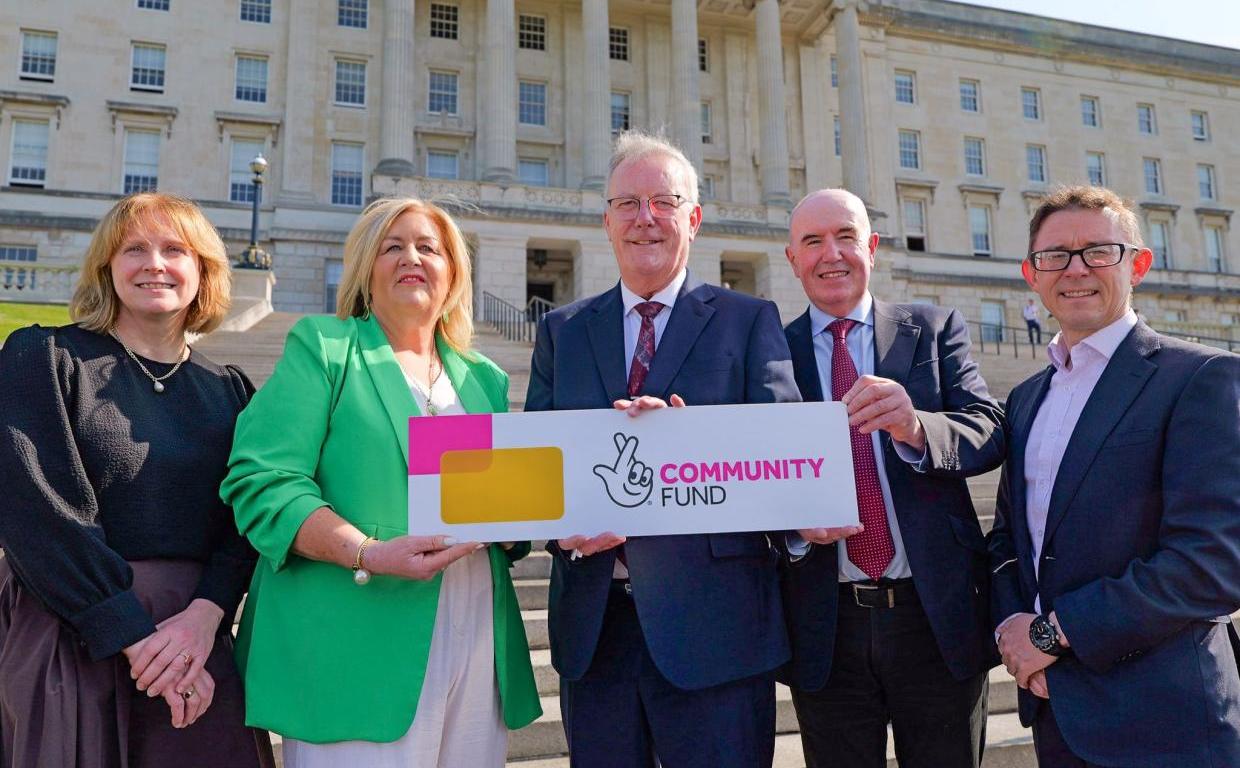
The ePharmacy Primary Care Digital Reform Programme receives £42 million, whilst the Together for Families initiative secures £29.2 million from the same source topped up by a further £30 million from The National Lottery Community Fund in what the fund describes as its first strategic investment of this kind in Northern Ireland.
What The ePharmacy Programme Actually Means
Northern Ireland currently processes over 45 million prescription items annually across primary care. The sheer administrative weight of a paper-based system, one that requires physical documents to move between GP practices, out-of-hours services, and community pharmacies creates friction at every point in the patient journey. Delays, errors, and unnecessary steps are built into the current model by design.
The ePharmacy programme addresses this directly. Electronic prescriptions will be transferred digitally from prescribers whether GPs or out-of-hours clinicians directly to community pharmacies, removing the paper slip from the process entirely.
For patients, this removes a practical inconvenience that has long been treated as simply unavoidable. For pharmacies, it creates the conditions for a more reliable, streamlined workflow.
Health Minister Mike Nesbitt framed the ambition clearly he said, “This project and the new digital platform will help to make Health and Social Care as safe as possible, accelerate primary care reform and help support our move towards a Neighbourhood model of care for primary, community and social care.” The phrase “Neighbourhood model” is significant; it echoes a direction of travel visible across UK health policy, from NHS England’s primary care networks to integrated neighbourhood teams, where care is increasingly organised around geographic communities rather than institutional settings.
Building The Case For Neighbourhood-Based Digital Infrastructure
The ePharmacy investment does not emerge in isolation. Northern Ireland’s first tranche of Public Sector Transformation Funding secured £61 million for primary care Multi-Disciplinary Teams (MDTs), enabling over 1.1 million patients access to a broader range of support including physiotherapy, mental health services, and pharmacy advice within GP practices. More than 70 per cent of patients presenting through those MDTs are now managed in a primary care setting, reducing demand on secondary care in a measurable way.
Together For Families Technology In Service Of Human Connection
The Together for Families initiative takes a different but complementary approach to transformation. Rather than a single technology deployment, it represents a whole-system model designed to shift children’s social care away from crisis intervention and towards earlier, more joined-up support.
The model was developed in close collaboration between statutory, community, and voluntary sector partners, a process that matters as much as the investment itself, since it establishes the relational infrastructure on which any digital or service tool must be built.
Kate Beggs, The National Lottery Community Fund’s Northern Ireland Director, put the human context plainly she said, “Across Northern Ireland, many families are facing increasing pressures, from financial hardship and child poverty, to rising mental health needs. Too often support only reaches families once challenges have reached crisis point.” The investment, she noted, is designed to help families access support earlier, through trusted community organisations and effective cross-service partnerships.
The National Lottery Community Fund’s £30 million commitment described as its first strategic investment of this kind in Northern Ireland brings the total Together for Families funding to £59.2 million.
What This Means For The UK Care Sector More Broadly
Northern Ireland occupies a distinctive position in UK health and social care. Its integrated Health and Social Care structure where health and social care are delivered by a single system rather than two parallel ones makes it both a testing ground and a reference point for thinking about joined-up delivery elsewhere in the UK.
The combination of ePharmacy and Together for Families illustrates a maturing understanding of what digital transformation in community health actually requires. Technology alone does not deliver care closer to home. It requires clinical governance frameworks, interoperable platforms, cross-sector relationships, and critically sustainable funding over more than one financial year. The Transformation Bid mechanism, and the National Lottery Community Fund’s willingness to act as a long-term co-investor, suggests a model for funding community health technology that goes beyond short-cycle pilot grants.

