
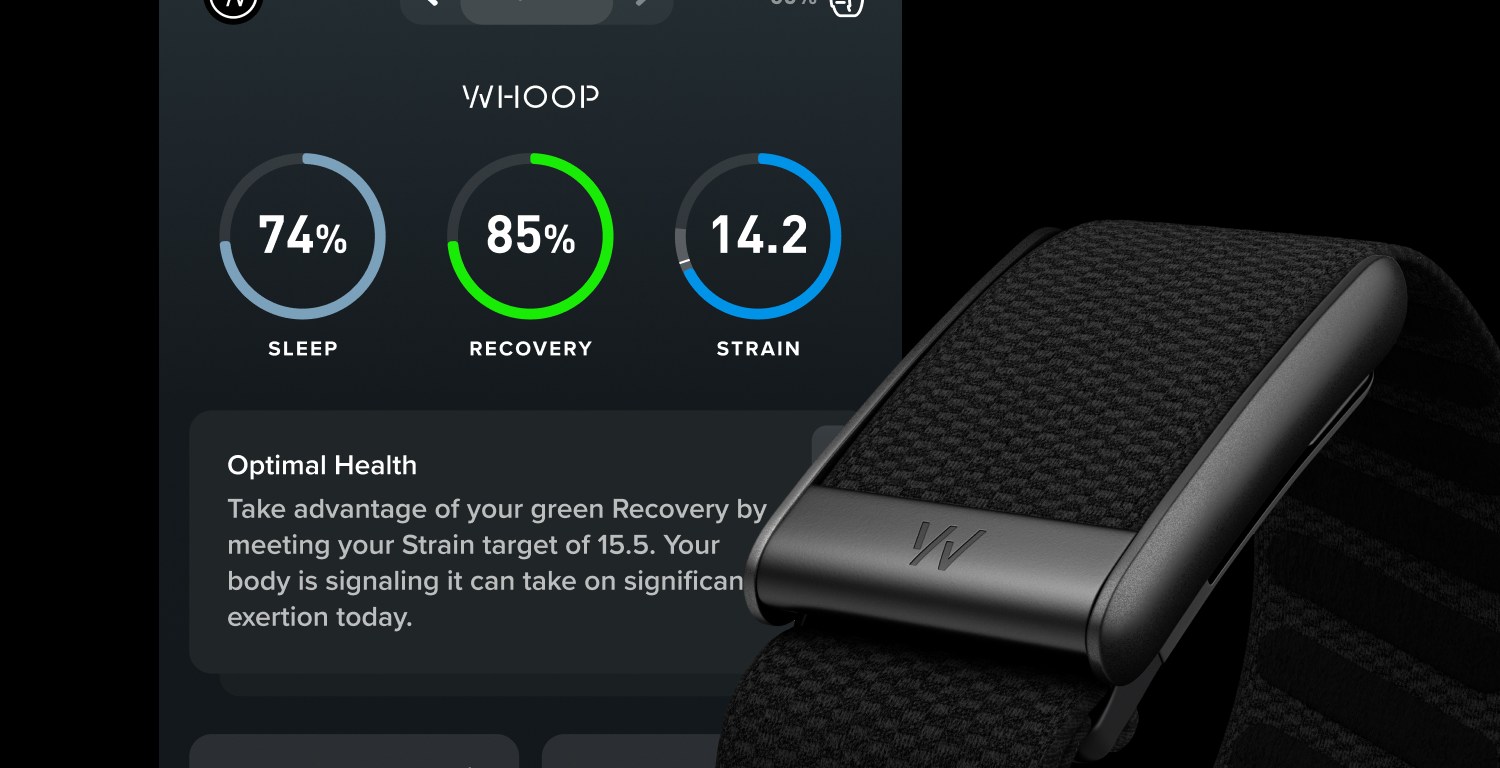
A major funding round for wearable firm WHOOP reflects growing global interest in predictive health technology.
Half a BillionDollar Investment Indicates a Shift in Healthcare Thinking
Wearable technology company WHOOP has secured $575 million in new funding, reaching a valuation of $10.1 billion and underlining investor confidence in the future of personalised, data-driven health.
The Boston-based firm, known for its subscription-based wearable and performance analytics platform, says the investment will support global expansion and accelerate its ambition to build a “personal health platform” focused on prevention rather than treatment.
For observers in the UK care sector, the timing is notable. Health and social care services are under sustained pressure, with rising demand, workforce shortages and increasing complexity of need. Against this backdrop, digital health tools that promise earlier intervention and better self-management are gaining renewed attention.
From Elite Performance to Everyday Health
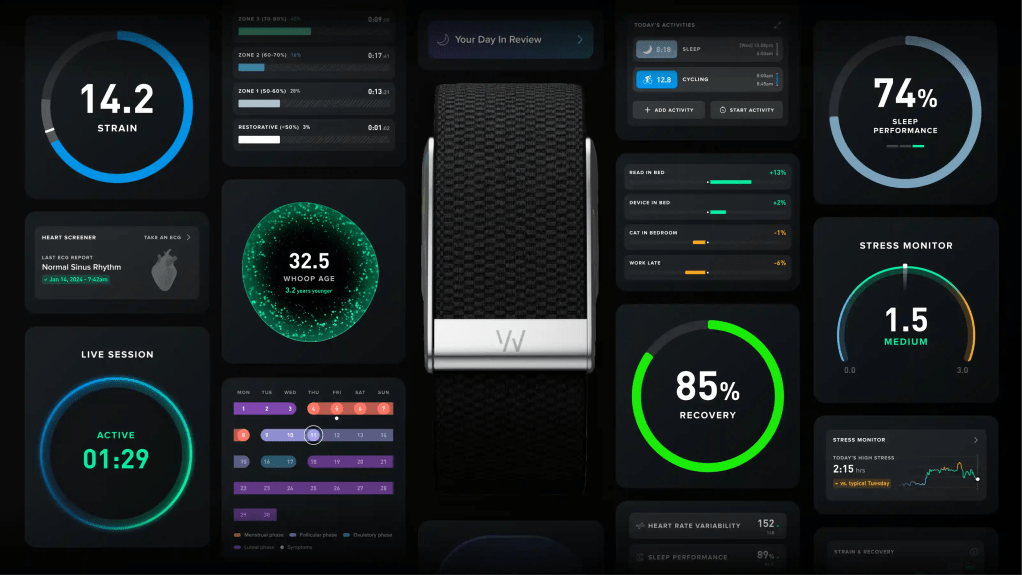
WHOOP has built its reputation among elite athletes and high performers, offering continuous monitoring of metrics such as sleep, strain and recovery. The platform uses AI to translate this data into insights that guide daily behaviour.
Chief executive Will Ahmed said the company is working towards a system that helps people “improve their health and livelihood”, pointing to a broader ambition beyond sport.
The platform now includes features such as ECG monitoring and blood pressure insights, reflecting a steady move into more clinically relevant territory. The company says its members engage frequently with the app, using it to understand how lifestyle choices affect their health in real time.
While the product is not currently embedded in NHS services, the underlying model, continuous monitoring combined with personalised feedback, closely mirrors the direction of travel in UK digital health.
Why the UK is Paying Attention
The NHS has spent several years attempting to shift from reactive care to prevention, particularly for people living with long-term conditions. Policy initiatives such as virtual wards and remote monitoring programmes aim to support patients at home while reducing pressure on hospitals.
In this context, technologies like WHOOP’s are drawing interest not as consumer gadgets, but as potential components of a wider care ecosystem.
Continuous data collection could, in theory, allow earlier detection of deterioration, support more informed clinical decisions and enable individuals to take greater control of their health. For community health teams and home care providers, better visibility between visits has long been a missing piece.
However, translating this potential into practice remains complex. The UK system is cautious, particularly when it comes to integrating consumer-grade devices into clinical pathways.
Big Investors, Bigger Ambitions
The funding round brings together a mix of venture capital, sovereign wealth funds and healthcare organisations, including Abbott and Mayo Clinic. High-profile athletes such as Cristiano Ronaldo and LeBron James have also invested, reinforcing the company’s association with performance and longevity.
The presence of established healthcare players is perhaps the most significant signal. It reflects a growing belief that the boundary between consumer technology and clinical care is beginning to blur.
This convergence is already visible in parts of the UK. Digital therapeutics, remote monitoring platforms and app-based health services are increasingly being commissioned by the NHS and local authorities. Yet most remain targeted at specific conditions or pathways.
Barriers to Adoption in Care Settings
Despite the momentum, several challenges stand in the way of widespread use in the UK care sector.
Integration is a persistent issue. NHS and local authority systems are often fragmented, making it difficult to incorporate new data streams in a meaningful way. Without clear interoperability, even the most sophisticated insights risk being underused.
There is also the question of access. Wearable devices remain relatively expensive and are typically adopted by more affluent, health-conscious users. For social care services supporting vulnerable populations, ensuring equitable access would be essential.
Perhaps most importantly, evidence requirements in the UK are stringent. Technologies must demonstrate not only that they work, but that they deliver measurable benefits in real-world settings. While WHOOP cites improvements in activity and sleep among its users, independent validation would be needed before it could play a formal role in care delivery.
The NHS Long Term Plan emphasises prevention, digital-first care and supporting people to remain independent at home. Reports from organisations such as The King’s Fund have highlighted the potential of data and technology to improve management of chronic conditions and reduce system pressures.
At the same time, regulators including the Care Quality Commission are increasingly recognising the role of care technology in improving outcomes, particularly in community and home-based settings.
The challenge lies not in ambition, but in implementation. Technology alone is unlikely to transform care without corresponding changes to services, workforce practices and funding models.

