
A US-based digital health startup is scaling its AI-powered mental health platform following fresh investment, with implications for care delivery models globally.
AI in Mental Health Gets Cash Injection
Artificial intelligence continues to reshape the delivery of care across home and community settings, with mental health emerging as a key area of innovation. The latest development comes from Jimini Health, a New York-based firm that has raised $17 million in seed funding to expand its clinical-grade AI platform designed to support patients between therapy sessions.
While the company operates in the United States, its approach reflects wider global trends that are increasingly relevant to the UK care sector. Pressures on NHS mental health services, workforce shortages, and rising demand for community-based support are driving interest in digital health tools that can extend care beyond traditional settings.
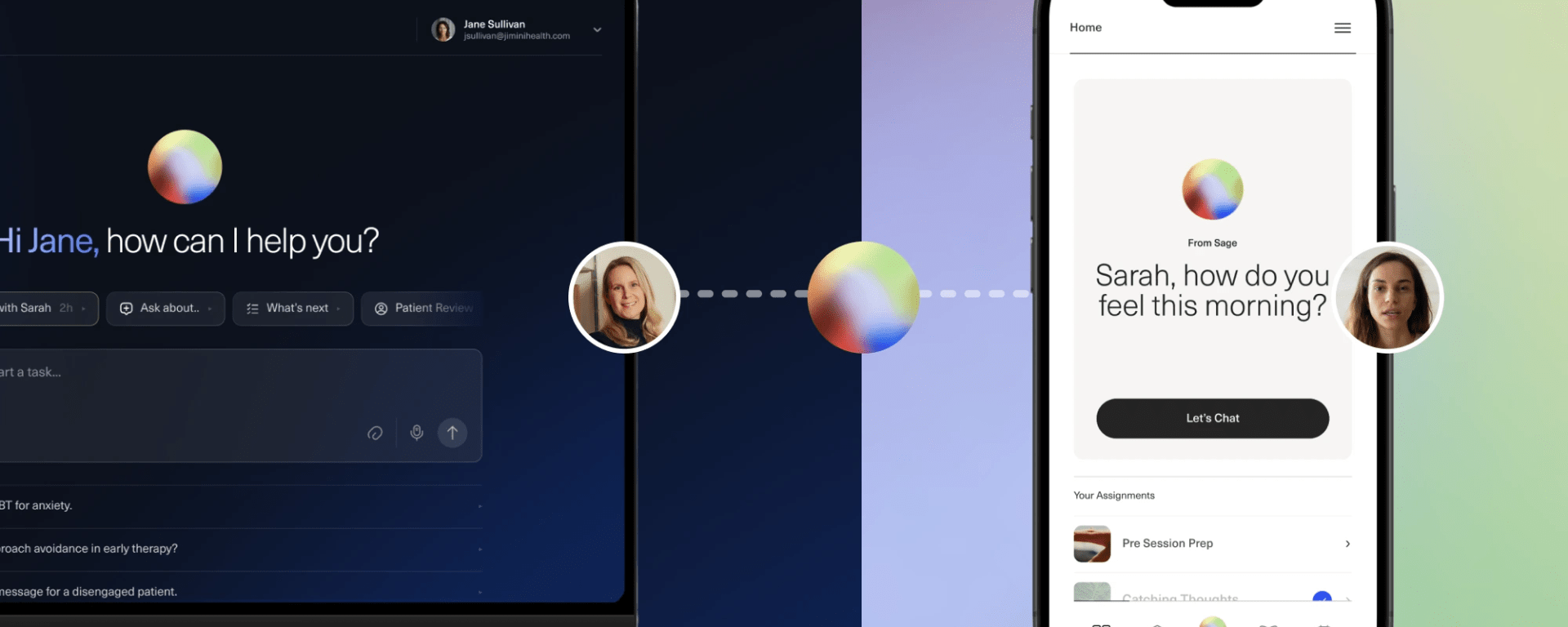
Jimini’s platform, Sage, aims to provide 24/7 behavioural health support while remaining embedded within clinical pathways, a model that could influence how home care technology evolves in the UK.
Scaling AI Support Within Clinical Pathways
At the core of Jimini Health’s offering is Sage, an AI-powered chatbot designed to operate within the context of a patient’s existing care plan. Unlike general-purpose AI tools, Sage is positioned as a “clinical-grade” system that works alongside healthcare professionals rather than replacing them.
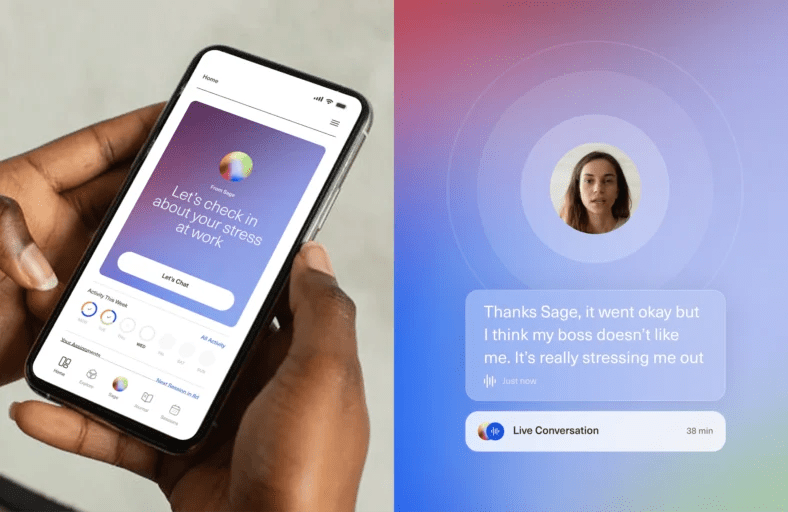
The platform gathers insights from patient interactions outside of scheduled therapy sessions, helping clinicians build a more continuous understanding of patient needs. It can also flag higher-risk situations and escalate them to appropriate clinical teams.
This hybrid model, combining automation with human oversight, aligns with ongoing discussions in the UK about how digital health tools can safely support community health services without compromising clinical accountability.
Executives at Jimini emphasise that diagnostic and treatment decisions remain firmly with human clinicians, reflecting concerns across the sector about the risks of over-reliance on AI in sensitive areas such as mental health.
Safety, Compliance and Regulation at the Forefront
One of the distinguishing features of Sage is its focus on safety and compliance. The platform has been designed to operate within frameworks established by the Centers for Medicare and Medicaid Services, enabling reimbursement for its use.
For UK stakeholders, this raises important parallels with emerging regulatory frameworks. The NHS England and the National Institute for Health and Care Excellence have both emphasised the importance of evidence-based digital tools, particularly in mental health.
Jimini’s approach includes escalation systems tailored to individual patient histories and contexts, as well as ongoing clinical input into AI training. This reflects a broader industry shift towards “responsible AI” in healthcare, an area of growing scrutiny in the UK.
Concerns around unregulated AI tools are already present. A 2023 report from The Health Foundation highlighted risks associated with consumer-facing digital health technologies, particularly where safeguards and clinical oversight are lacking.
Growing Demand for AI in Behavioural Health
The company points to rising patient demand as a key driver of its growth. In the US, around 16% of adults are already using AI tools for mental health support in some capacity.
While comparable UK figures are still emerging, there is clear evidence of increasing adoption of digital health solutions. NHS Talking Therapies services have expanded digital access, and many local authorities are exploring care technology to support residents in their homes.
For care providers, this trend presents both an opportunity and a challenge. On one hand, AI tools can improve engagement and provide continuous support. On the other, they must be carefully integrated into existing care pathways to ensure safety and effectiveness.
Implications for the UK Care Sector
Mental health services in the UK continue to face significant pressure. According to NHS Digital, demand for mental health support has risen sharply in recent years, with long waiting times in some areas.
AI-enabled platforms like Sage could help bridge gaps by offering interim support between appointments, particularly in community health settings. This aligns with the NHS Long Term Plan’s focus on expanding digital access and preventative care.
For providers delivering care in the home, continuous monitoring and support remain key challenges. AI tools that can track patient wellbeing and flag risks in real time may enhance care quality without increasing workforce demands.
This is particularly relevant for individuals with long-term mental health conditions, where continuity of care is essential. Jimini’s emphasis on supporting patients across the full acuity spectrum mirrors the needs of many UK service users.
However, successful adoption in the UK would depend on integration with existing systems. Interoperability with NHS digital infrastructure, adherence to data protection regulations, and alignment with local authority commissioning frameworks would all be critical.
Technology suppliers in the UK care sector are already working to address these challenges, but fragmentation remains a barrier to scaling innovation.
Balancing Innovation with Risk
Experts across the UK have highlighted the need for a cautious but proactive approach to AI in care.
The Care Quality Commission has signalled that digital tools must demonstrate clear benefits to safety and quality before widespread adoption. Similarly, the Local Government Association has emphasised the importance of ensuring that technology complements, rather than replaces, human care.
Academic research also points to the importance of trust. Studies from institutions such as King’s College London suggest that patients are more likely to engage with digital mental health tools when they are integrated into formal care pathways and endorsed by clinicians.
Jimini’s model appears to reflect these principles, positioning AI as an adjunct to care rather than a standalone solution.

