
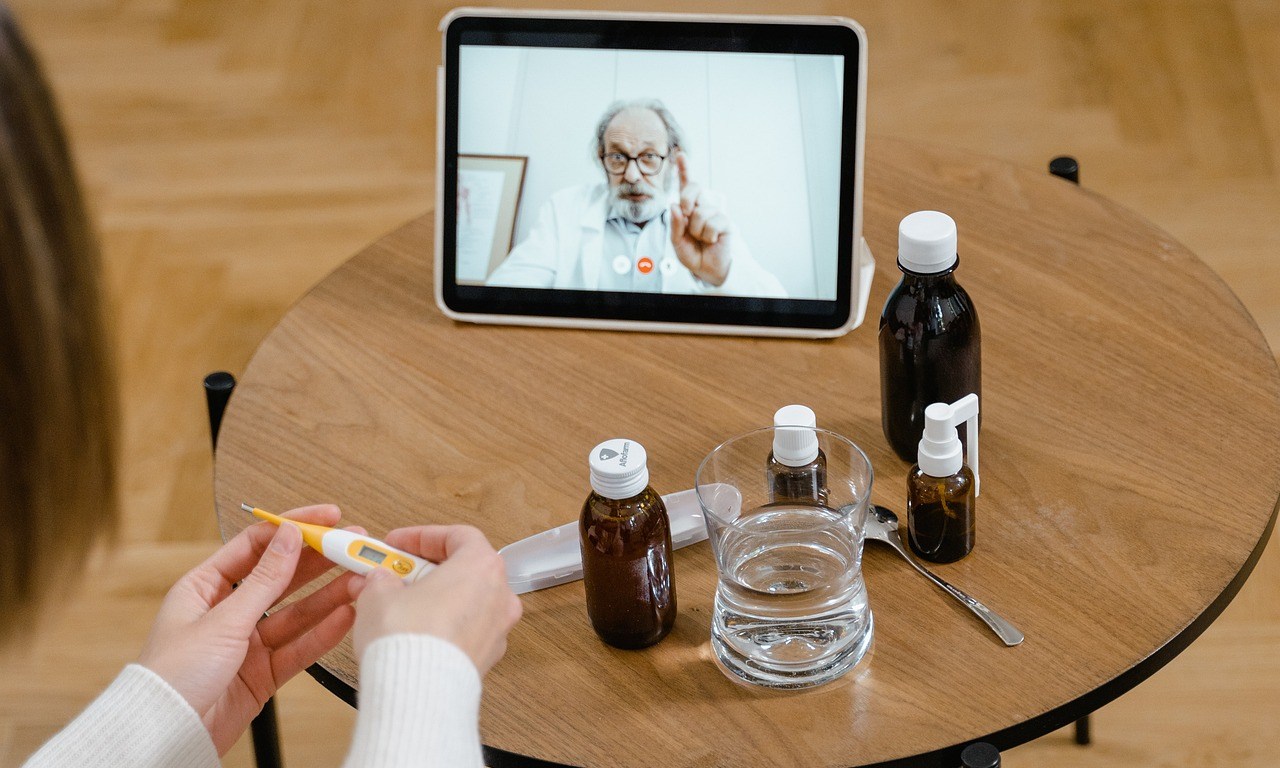
A two-year evaluation of Shropshire Council’s Virtual Care Delivery service suggests that home care technology can improve independence, ease pressure on services, and support more preventative care.
Virtual Care Pilot Shows Promising Results in West England
As pressures on adult social care continue to intensify, local authorities across England are exploring how digital health and care technology can help meet rising demand. Workforce shortages, financial constraints and an ageing population are forcing a rethink of how care is delivered, particularly in people’s homes.
A new evaluation of Shropshire Council’s Virtual Care Delivery (VCD) service adds to the evidence that technology can play a meaningful role. Conducted by My Home Life England, part of City St George’s, University of London, the two-year study found that virtual care can deliver measurable benefits when integrated effectively into existing services.
The programme was launched in 2023 with support from the Department of Health and Social Care, aiming to combine remote support with traditional face-to-face care.
Supporting Independence Through Care Technology
At the centre of the model are technology enabled devices, including Genie and CareBuilder, which provide prompts, alerts and video communication with care teams. The tools also allow staff to monitor changes in a person’s health or daily routines in real time.
According to the evaluation, this approach has helped many service users maintain independence and feel safer at home. Regular prompts support daily living, while remote check-ins reduce the need for frequent in-person visits. Over time, users reported growing confidence in using digital tools, alongside improved wellbeing and reduced feelings of isolation.
The findings suggest that home care technology, when designed around users’ needs, can enhance rather than replace human support.
Benefits for Families and Care Professionals
The impact extends beyond those receiving care. Families and informal carers reported greater peace of mind, with improved visibility of their relatives’ wellbeing. One relative, Adele, said “It’s taken the pressure off me, like being a carer, to mum having her daughter back… it was getting to a point that I was mum’s carer and she didn’t like it and I didn’t like it.”
For care professionals, the shift to a blended model has improved efficiency. The evaluation found that reducing travel time allowed staff to focus more on complex cases, while remote monitoring supported quicker and more proactive assessments.
Shropshire Council also identified operational benefits, including better oversight of services and more effective use of resources. These gains are particularly relevant as councils look for sustainable ways to manage increasing demand.
A More Preventative Model of Care
A key theme in the evaluation is the move towards earlier intervention. By using digital tools to track changes in health and behaviour, care teams are better able to identify risks before they escalate.
This aligns with wider policy direction across the UK care sector, where there is growing emphasis on prevention and community-based support. The VCD service also supported hospital discharge and helped some individuals remain in their own homes for longer, reducing reliance on more intensive services.
In Shropshire, the model has also improved access for people living in more isolated areas, where traditional care delivery can be more challenging.
What it Means for the Future of Social Care Innovation
The evaluation concludes that virtual care offers a scalable and sustainable approach to social care, provided it is implemented thoughtfully. It highlights the importance of combining technology with human support, rather than viewing digital tools as a replacement.
The findings reflect a broader shift towards community health technology and digitally enabled care across the UK. NHS England and the Department of Health and Social Care have both signalled the importance of such approaches in reducing system pressures and improving outcomes.
However, challenges remain. Digital inclusion, staff training and system integration will all be critical to ensuring these solutions deliver long-term value.
Shropshire’s Virtual Care Delivery service provides a practical example of how digital health can support more responsive and efficient care. The evaluation by My Home Life England suggests that home care technology can improve independence, reassure families and help services intervene earlier.
While not a complete solution to the challenges facing the UK care sector, virtual care is emerging as an important part of the mix. As more local authorities explore similar models, the focus will be on how to scale these approaches while keeping care personal, accessible and effective.

