
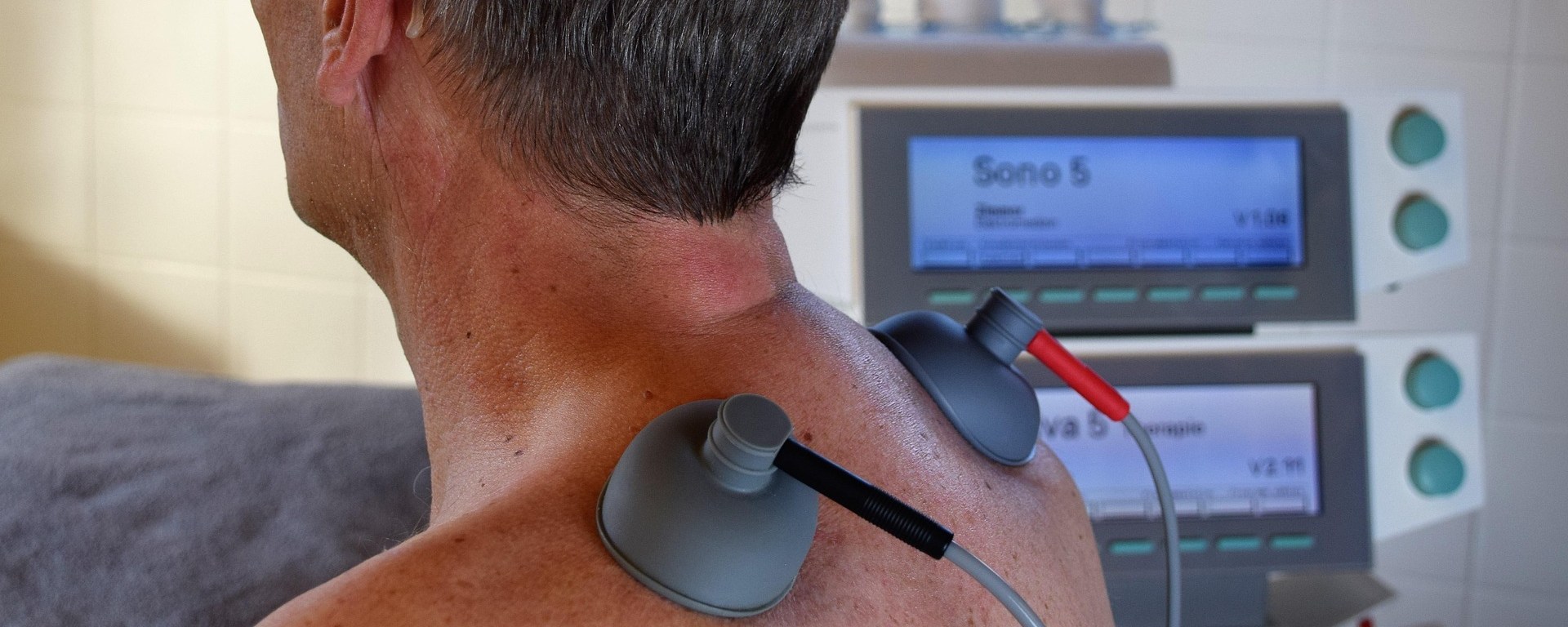
Medtronic’s planned $650 million acquisition of SPR Therapeutics has shone a global spotlight on temporary peripheral nerve stimulation, a minimally invasive, drug-free approach to chronic pain that could hold significant implications for community health services and home-based care across the UK.
A Significant Deal With Wider Implications For Pain Management
Medtronic plc one of the world’s largest medical technology companies announced its intention to acquire SPR Therapeutics, a privately held US firm that has built its reputation around a short-term, non-permanent approach to nerve stimulation for chronic pain.
The upfront cash consideration stands at approximately $650 million, signalling strong commercial confidence in the emerging field of temporary peripheral nerve stimulation (PNS).
At the heart of the deal is SPR’s SPRINT PNS System, an FDA-cleared device that delivers pain relief through a 60-day percutaneous treatment meaning a fine wire is inserted through the skin near a peripheral nerve, with no requirement for a permanent implant. Once the treatment period concludes, the lead is simply removed. The therapy is designed to slot into existing clinical pathways and, crucially, to enable intervention earlier in a patient’s pain journey, before conditions become chronic and harder to treat.
The Scale Of The Chronic Pain Challenge In The UK
Chronic pain affects an estimated 28 million adults in the UK roughly 43 per cent of the population according to research published in the European Journal of Pain. It is a leading driver of GP appointments, hospital referrals, long-term sick leave, and social care needs. For many people, unmanaged or poorly managed pain erodes independence, accelerates functional decline, and increases reliance on formal care.
The NHS has long grappled with how to address chronic pain at scale without defaulting to opioid analgesics, which carry well-documented risks of dependency and adverse outcomes. NHS England’s 2021 medicines strategy and updated clinical guidance have both sought to reduce opioid prescribing and shift care towards non-pharmacological approaches including psychological therapies, physiotherapy, and, increasingly, neurostimulation.
Spinal cord stimulation is already an established pathway within NHS specialised commissioning for certain pain conditions, but access is constrained by cost, complexity, and the need for specialist centre input. Temporary PNS, as a shorter, lower-commitment intervention, raises the prospect of reaching patients who would not currently qualify for or choose a permanent implantable device.
What Temporary Peripheral Nerve Stimulation Offers Community Services
The clinical proposition behind temporary PNS is straightforward deliver targeted electrical stimulation to specific peripheral nerves over a defined period, without the surgical risk or long-term commitment associated with implanted systems. For community health teams, this matters because it opens the door to earlier, lower-intensity intervention that could prevent escalation to secondary or tertiary care.
Medtronic cited real-world data drawn from more than 6,100 patients treated using the SPRINT PNS System, which found that over 71 per cent of participants demonstrated significant pain relief or improvement in quality of life following the 60-day treatment. Whilst this evidence base was generated in the US context and will require evaluation against UK population needs and commissioning frameworks, it represents one of the larger retrospective datasets in the PNS field to date.
For integrated care boards (ICBs) and primary care networks already exploring alternatives to long-term opioid prescribing, this kind of short-course intervention delivered and monitored in outpatient or community settings could offer a practical complement to existing pathways. It also aligns with the NHS’s broader ambition to shift more care out of acute settings and into community and home environments.
The Broader Direction Of Travel For Pain Technology
The Medtronic acquisition reflects a wider industry trend, the convergence of neuromodulation, digital health, and community care. Across the UK, innovators are already exploring how neurostimulation technologies can be delivered with greater patient autonomy, remote monitoring, and data-driven personalisation, all themes that resonate with the NHS’s long-term plan and social care reform ambitions.
Maria Bennett, Chief Executive of SPR Therapeutics, noted that the agreement with Medtronic represented “a pivotal step forward” in reaching more patients and helping them find relief earlier in their care journey. For UK care leaders, framing earlier intervention, better access, less dependency on high-intensity services mirrors much of the language driving NHS transformation strategy.
Whether or not SPR’s specific technology enters the UK market in significant volumes in the near term, the deal signals a maturing field in which temporary, minimally invasive neurostimulation for pain is increasingly viewed as a mainstream clinical tool rather than a niche specialism. That shift in perception matters for UK commissioners, home care providers, and the technology companies building around them.

