
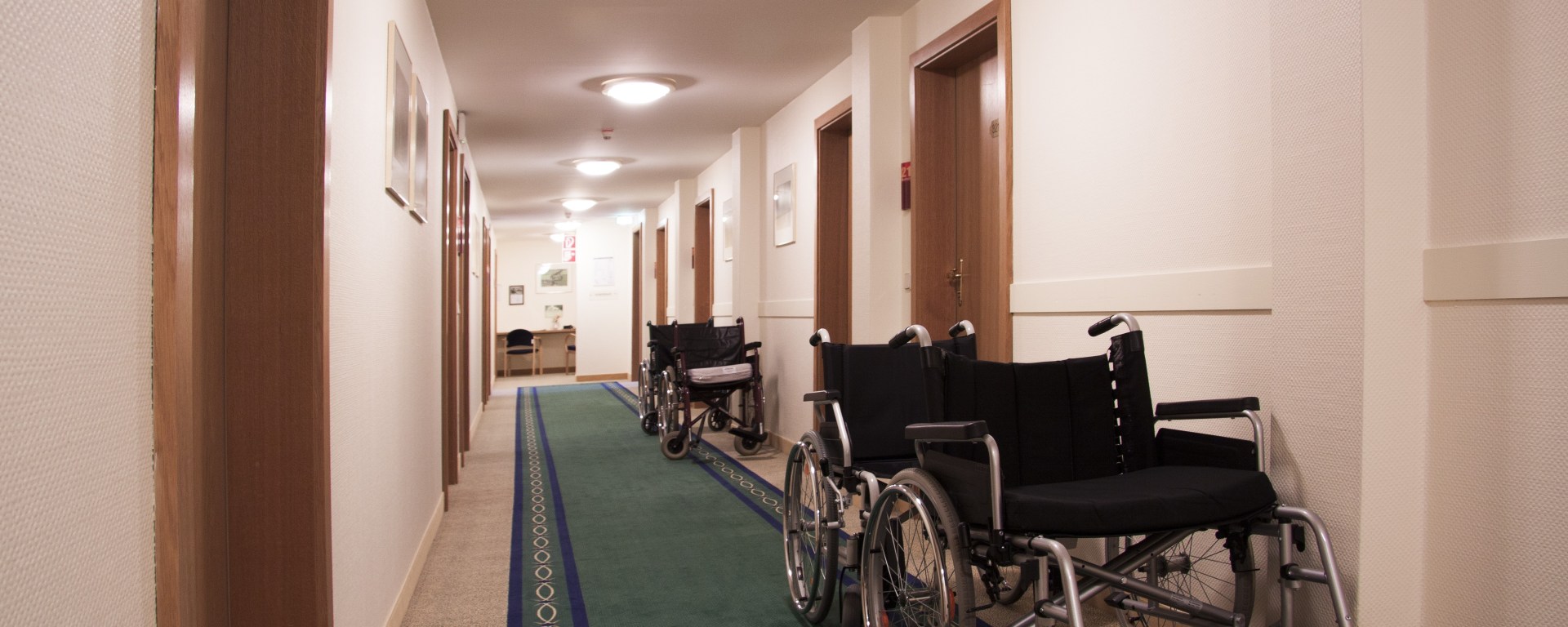
Calls for tougher accessible housing targets are placing fresh attention on the relationship between housing design, digital health and the future of care at home. As councils argue that higher accessibility standards are achievable, care providers and technology firms say better-designed homes could reduce pressure on NHS community services and support more independent living across the UK care sector.
Accessible Housing Debate Gains Momentum
Pressure is mounting on the government to strengthen proposed accessibility targets for new homes, amid growing concern that the UK is failing to build housing capable of supporting an ageing population and rising demand for care at home.
The debate follows new findings from Centre for Ageing Better and the Housing Made for Everyone coalition, which argue that the government’s proposed requirement for 40% of new homes to meet enhanced accessibility standards does not go far enough.
More than 20 local authorities surveyed by the charity said a significantly higher proportion of accessible housing is both practical and already being delivered in parts of England. Bassetlaw District Council reported that 90% of homes built between 2022 and 2025 met the M4(2) accessibility standard, while Nuneaton and Bedworth’s latest development plan targets 95% compliance for major residential schemes.
The issue has implications far beyond housing policy. For NHS leaders, social care providers and suppliers of home care technology, accessible housing is increasingly seen as a critical foundation for delivering digitally enabled care safely and efficiently in the community.
M4(2) homes typically include step-free access, wider hallways and layouts designed for easier adaptation over time. These features are becoming increasingly important as care services shift away from hospitals and towards preventative and community-based models of support.
Why Housing Design Matters For Digital Care Delivery
The UK’s health and social care system is becoming more dependent on technology-enabled care delivered in people’s homes. Remote monitoring platforms, fall detection systems, virtual wards and digital health tools are all central to NHS plans for reducing avoidable hospital admissions and supporting people to live independently for longer.
However, sector leaders have repeatedly warned that poor housing stock remains a major barrier to effective care delivery.
Accessible homes can make it significantly easier to install and use community health technology such as smart sensors, telecare systems, connected medication dispensers and mobility-support equipment. Inaccessible properties, by contrast, often require expensive retrofitting or create environments where technology alone cannot compensate for physical hazards.
Research published by the Centre for Ageing Better found that around 12 million people in England are currently living in homes that do not meet their accessibility needs. The charity also reported that 87% of homes lack four basic accessibility features considered essential for most people to visit or live independently.
Millie Brown, head of homes at the Centre for Ageing Better, warned that setting targets too low risks prolonging a “postcode lottery” in accessible housing provision.
She said local authorities already understand “what can be practically achieved” and cautioned that insufficient targets could leave disabled and older residents living in unsafe homes for years to come.
The comments reflect wider concerns across the UK care sector that unsuitable housing is increasing pressure on already stretched health and social care services.
Community Care Providers Face Rising Demand
The push for more accessible housing comes as community care services face mounting operational challenges linked to population ageing and workforce shortages.
According to NHS England, virtual wards and hospital-at-home models are expected to expand further over the coming years as the health service attempts to reduce pressure on acute settings. Yet many care providers say delivering effective care in people’s homes depends heavily on the physical suitability of those environments.
Falls remain one of the biggest drivers of emergency hospital admissions among older people. The Centre for Ageing Better has previously estimated that treating falls in the home costs the NHS hundreds of millions of pounds annually.
For domiciliary care providers, inaccessible homes can also increase the time and complexity involved in delivering care visits. Narrow doorways, stairs and poorly designed bathrooms may require additional staffing or manual handling support, adding further strain to workforce capacity.
Technology suppliers working in social care innovation argue that future-ready homes should now be designed with digital infrastructure in mind from the outset. This includes connectivity for remote patient monitoring devices, integrated telecare systems and adaptable spaces capable of supporting changing mobility needs.
Several local authorities are already exploring how housing, digital health and preventative care strategies can be better aligned. Integrated care systems across England have increasingly highlighted housing quality as a key determinant of health outcomes.
Government Under Pressure To Act Faster
The current debate also revives criticism of delays to national accessibility reforms first proposed by the previous Conservative government almost four years ago.
Those plans would have required all new homes to include entrance-level step-free access and additional accessibility features as standard. However, a second consultation intended to finalise the regulations was never completed.
The Habinteg Housing Association and the Housing Made for Everyone coalition have urged ministers to use ongoing National Planning Policy Framework reforms to increase mandatory accessibility requirements.
Public support for stronger standards also appears substantial. Previous polling commissioned on behalf of the Centre for Ageing Better found that 77% of people believe all new homes should be built to standards enabling independent living as people age or become disabled.
The conversation aligns with broader policy shifts around prevention and independent living. Across both health and social care, there is growing recognition that housing quality directly influences outcomes ranging from hospital discharge delays to long-term care dependency.
Technology And Housing Strategies Are Becoming Increasingly Linked
For care technology companies, the debate highlights an emerging reality: digital transformation in care cannot succeed without suitable housing infrastructure.
As more NHS and local authority services move towards proactive and remote models of support, homes themselves are becoming an extension of the care environment. Accessible layouts make it easier to deploy monitoring technologies, support rehabilitation and enable safer independent living.
Industry analysts increasingly view housing adaptation, care technology and community-based healthcare as interconnected parts of the same system rather than separate policy areas.
If ministers decide to strengthen accessibility targets, the move could accelerate demand for integrated home care technology solutions across housing associations, local authorities and community care providers.
For now, campaigners argue the opportunity is clear. Building more accessible homes today could reduce future pressures on the NHS and social care system while helping millions of people remain independent in their own communities for longer.
 Innovative Care NEWS