
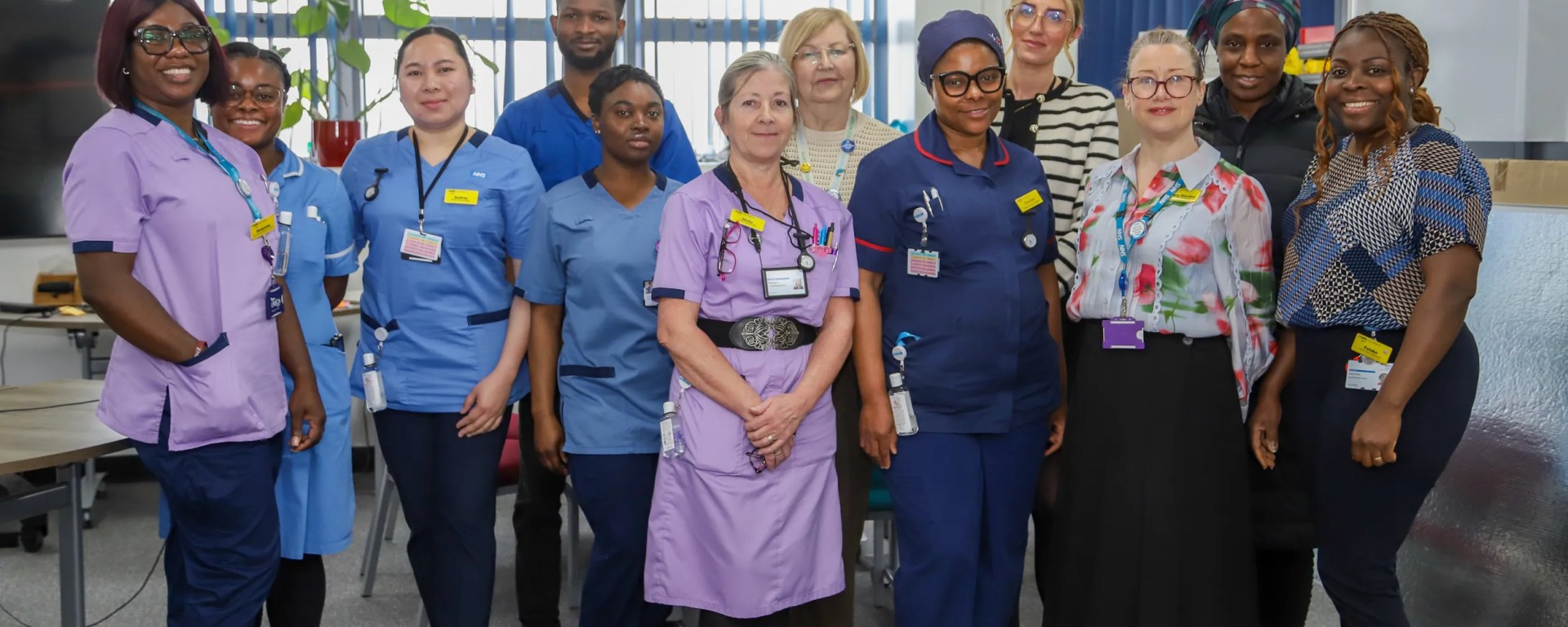
An NHS virtual ward service is expanding its capacity and extending to a 24-hour model, allowing more patients to receive acute care safely at home.
NHS Virtual Wards Drive Growth In Home Care Technology Across The UK
The rapid growth of virtual wards across England is changing how acute care is delivered, with NHS organisations increasingly turning to home care technology to reduce pressure on hospitals while improving patient experience.
A newly expanded virtual ward service operated by the Surgical, Medical and Acute Recovery Team (SMART) is the latest example of how digital health tools, remote monitoring and mobile clinical care are enabling patients to recover safely at home rather than remaining in hospital beds.
The service has increased its virtual bed capacity from 80 to 120 and now operates 24 hours a day, seven days a week. NHS leaders involved in the programme say the expansion is allowing clinicians to support patients with more complex conditions remotely while also helping people leave hospital sooner.
Virtual Wards Become A Core Part Of NHS Recovery Strategy
Virtual wards, sometimes referred to as hospital-at-home services, combine remote patient monitoring with in-person clinical support, enabling patients to receive acute care in their own homes.
Patients supported by the SMART service are monitored using digital devices alongside video consultations and telephone support. Clinical teams, including nurses, consultants and therapists, can review patient observations remotely and intervene if symptoms worsen.
The extension to a round-the-clock service is significant because it allows clinicians to safely manage patients with higher acuity needs outside traditional hospital environments.
According to the NHS Confederation, virtual wards have become a major part of NHS efforts to tackle bed pressures, delayed discharge and growing demand for urgent and emergency care services. NHS England previously outlined ambitions to expand virtual ward capacity nationally as part of its urgent and emergency care recovery plans.
The SMART team says the enhanced service has already contributed to a reduction in average time under care from nine days to eight days, suggesting improvements in patient flow and recovery.
For patients, the benefits are often both clinical and emotional.
Elliot Hall, from Gillingham, who was admitted to the virtual ward because of double vision, said recovering at home improved both his wellbeing and confidence.
“I thought it was so much better for my recovery being in the comfort of my own home and I had security in the knowledge that the team were just on the other end of a phone should I need them,” he said.
“Just feeling more relaxed at home was a great help for my recovery and mental health. What a great service.”
Remote Monitoring Technology Supports More Complex Care At Home
Remote monitoring technologies used in virtual wards typically include devices that record vital signs such as blood pressure, oxygen saturation, pulse and temperature. Data can then be transmitted securely to clinicians who review patient status in real time.
The NHS has increasingly invested in these forms of care technology as health systems face rising demand linked to an ageing population, workforce shortages and continued pressure on hospital capacity.
Importantly, the SMART model demonstrates that virtual care is not entirely remote.
Nurse practitioners and community clinicians continue to visit patients at home when face-to-face intervention is required. SMART Nurse Practitioner Precious Chukwuma described how portable elastomeric pumps are helping patients receive intravenous antibiotics while remaining active in their communities.
“It means they can stay mobile,” she explained. “Some of my patients even go to the shops with their pump, otherwise they’d spend up to six weeks in a hospital bed.”
The combination of remote monitoring and mobile clinical support reflects a broader trend in social care innovation and community health technology, where hybrid care models are becoming more common.
Digital Health Expansion Creates Opportunities And Challenges
For NHS trusts, local authorities and care providers, the expansion of virtual wards presents both operational opportunities and practical challenges.
One of the biggest potential benefits is the ability to improve hospital flow while delivering care in a setting many patients prefer. Hospital stays can increase risks associated with reduced mobility, infection and deconditioning, particularly among older adults.
Tracy Stocker, Director of Operations, said evidence increasingly supports the benefits of home-based recovery.
“Research shows that patients recover quicker and better in familiar surroundings,” she said.
“Our virtual ward has been designed to reduce stress, improve recovery times, and lower the risk of hospital-related complications. This expansion is the first step toward growing the service to a 200-bed virtual hospital later this year.”
However, scaling virtual wards across the UK care sector also requires substantial investment in workforce training, digital infrastructure and interoperable systems.
Technology suppliers working in digital health and care technology are playing a growing role in supporting these services, particularly through remote monitoring platforms, secure communications systems and data integration tools.
At the same time, sector organisations continue to warn about inequalities in digital access. Older adults, people with cognitive impairments and those without reliable internet connectivity may face barriers to fully participating in technology-enabled care models.
The Care Quality Commission has previously highlighted the need for digital services to remain person-centred and accessible, particularly as more care moves into community settings.


4 thoughts on “Virtual Ward Expansion Shows How Home Care Technology Is Reshaping NHS Recovery”