
A Chinese research mission testing healthcare devices in orbit could reshape how medical technology is designed for extreme environments. The innovations being trialled in space may have significant long-term implications for home care technology, digital health, and community-based services in the UK.
Why Medical Devices in Space Matter to the UK Care Sector
China’s recent launch of five healthcare devices into orbit marks a notable milestone in the evolution of medical technology. While the immediate aim is to support astronaut health and future space travel, the implications extend far beyond space exploration.
For the UK care sector, already under pressure from an ageing population, workforce shortages, and rising demand for services, this type of innovation highlights how extreme-environment healthcare research can drive breakthroughs in home care technology and community health technology.
Technologies designed for space must be compact, autonomous, and highly reliable. These same characteristics are increasingly essential for delivering care in people’s homes and community settings across the UK.
What’s Being Tested?
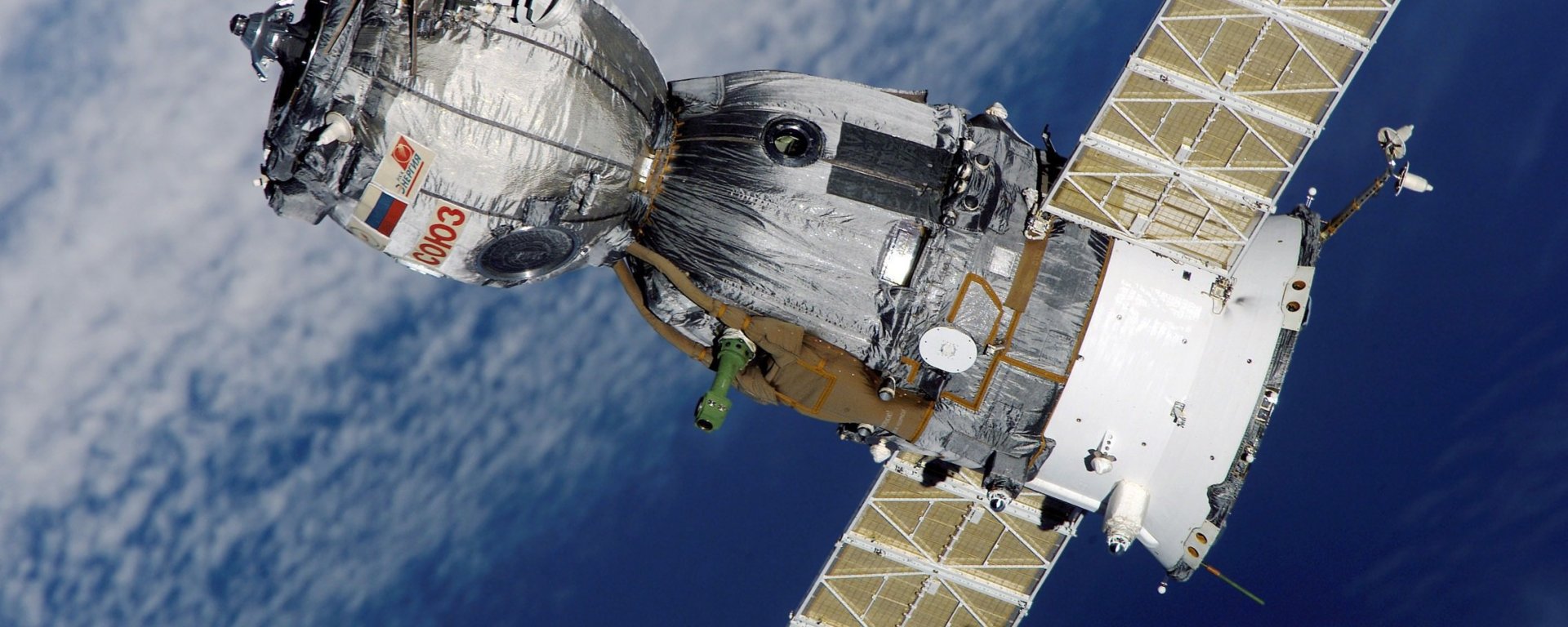
The devices, launched aboard an experimental spacecraft from the Jiuquan Satellite Launch Center, are part of a three-year programme led by Shenzhen University of Advanced Technology in collaboration with the Chinese Academy of Sciences.
The five technologies being tested include, A plasma-based device to accelerate wound healing, a non-invasive ultraviolet therapy system to maintain vitamin D levels, a microfluidic analyser capable of diagnosing infections from a single drop of blood in under a minute, a vital signs monitoring equipment and a system designed to produce plant-based protein in space.
Each device is engineered for remote operation and real-time data transmission back to Earth, key features that align closely with current trends in digital health and remote patient monitoring.
The focus is on addressing the health challenges posed by microgravity, radiation, and confined environments, conditions that accelerate physical decline and complicate treatment delivery.
Testing Ground for Extreme Healthcare
The devices, launched from the Jiuquan Satellite Launch Center as part of a three-year research programme, are being tested in microgravity conditions that place unique stresses on the human body. Bone density loss, muscle weakening, slower wound healing and psychological strain are all well-documented challenges in space.
To address these, researchers have developed compact systems that can monitor health, support recovery and even deliver treatment remotely. Among them is a plasma-based device designed to speed up tissue repair, alongside a rapid diagnostic tool capable of detecting infections almost instantly from a minimal blood sample.
Another system uses ultraviolet light to replicate the effects of sunlight, helping maintain vitamin D levels and bone health—an issue that resonates beyond space travel and into populations on Earth who are at risk of deficiency, particularly older adults receiving care at home.
Why this Matters for UK Community Health Services
What makes the Chinese experiment noteworthy is the level of independence these devices must achieve. In space, there is no immediate access to a clinician. Systems must work reliably, interpret data quickly and support decision-making at a distance.
This is increasingly the direction of travel in UK community health technology. Remote diagnostics, wearable sensors and AI-supported platforms are already being deployed to help manage chronic conditions and reduce hospital admissions. Technologies refined in space could further accelerate this shift by improving accuracy, reducing size and enhancing ease of use.
For social care providers, particularly those delivering services in people’s homes, the potential benefits are clear. Equipment that is simpler to use, less intrusive and capable of delivering real-time insights could help staff manage more complex needs while supporting independence.
From Space Medicine to Social Care Innovation
One of the more intriguing aspects of the project is its potential to generate new medical insights. Researchers involved have suggested that biological processes behave differently in microgravity, with early findings indicating increased stem cell activity.
While such research is still at an early stage, it raises questions about how discoveries made in space could influence treatment approaches on Earth. For example, improved understanding of tissue regeneration or ageing could inform rehabilitation services or long-term condition management.
In the context of social care innovation, this kind of crossover is significant. The boundary between health and care is already becoming more blurred, with integrated care systems across England aiming to coordinate services more effectively.
Technologies that can support both medical treatment and day-to-day care needs are likely to become increasingly important. Devices that monitor health, support recovery and enable remote consultation could form part of a more joined-up approach to care delivery.

