
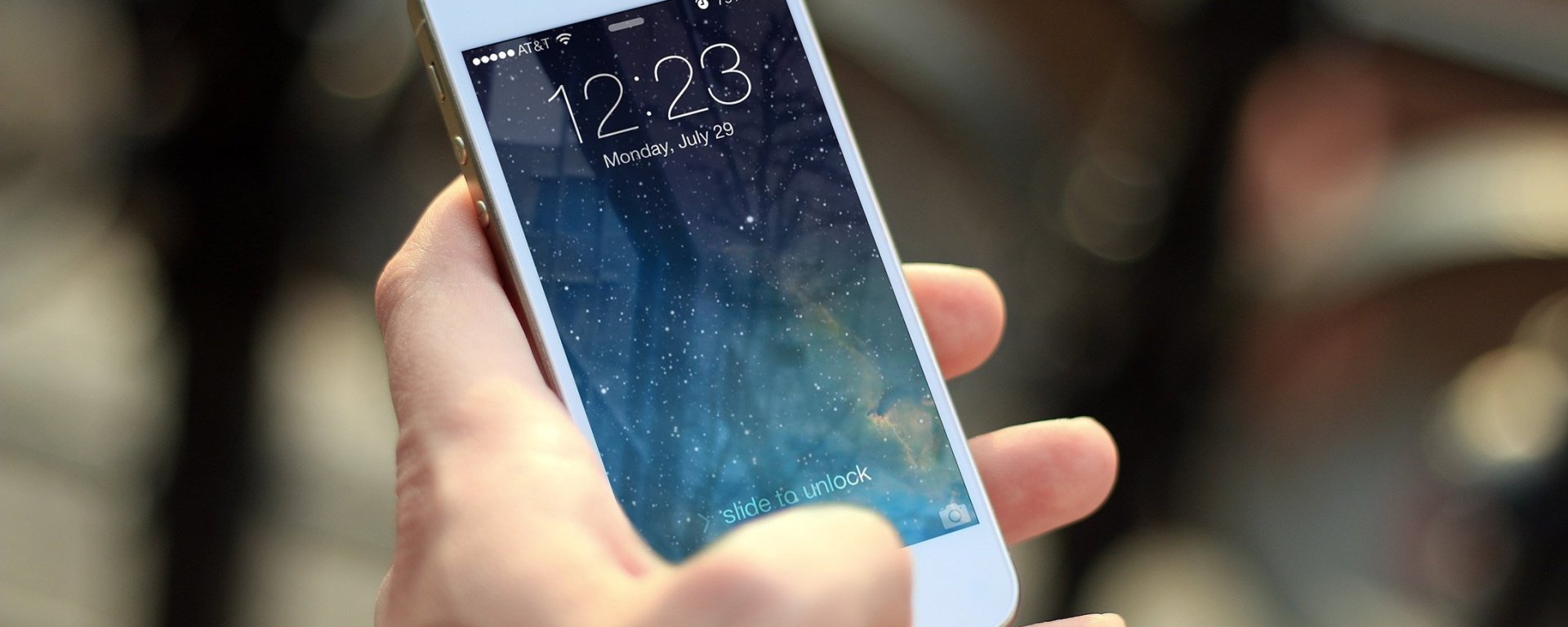
Apple’s decision to introduce medical device labels on its App Store could have wider implications for how digital health tools are assessed and trusted across the UK.
Apple Launches Medical Device Labels For Apps
Digital health tools are now firmly embedded across the UK care sector, from remote monitoring in people’s homes to apps supporting long-term condition management in the community. As adoption grows, so too does the need for clearer safeguards around safety, effectiveness and regulation.
Apple’s latest update to its App Store, which will display whether an app is classified as a regulated medical device, arrives at a time when these questions are becoming harder to ignore. While the change is largely technical, its implications stretch into how care technology is selected, trusted and ultimately used across home care, NHS community services and social care.
A Clearer Signal in a Crowded Marketplace
The App Store has long hosted thousands of health-related apps, ranging from fitness trackers to tools claiming to support diagnosis or treatment. For many users, and indeed for some care providers, telling the difference between a general wellbeing app and a regulated medical product has not always been straightforward.
Apple’s new labelling system attempts to address that gap. Apps that meet certain criteria and align with regulatory frameworks in the UK, EU or US can now be identified as medical devices. Developers are required to provide supporting information, including how the app is intended to be used and any relevant safety guidance.
For those working in the UK care sector, this could offer a useful point of reference. It does not replace formal procurement checks or clinical validation, but it introduces a visible marker that may help narrow down options at an early stage.
What it Means for Home Care and Community Services
The shift towards delivering more care at home has accelerated in recent years, driven by NHS priorities and workforce pressures. Digital tools have become a key part of that model, supporting everything from medication adherence to remote observation of patients with chronic conditions.
In these settings, decisions about technology are often made under time pressure and with limited specialist input. A domiciliary care provider trialling a new app, for example, may not always have the capacity to interrogate its regulatory status in detail.
In that context, Apple’s move could make a practical difference. A clearly labelled app may give providers greater confidence that a product sits within recognised regulatory frameworks. Equally, the absence of such a label might prompt further questions before adoption.
That said, the label alone is unlikely to be decisive. Providers will still need to consider whether a tool fits their service model, whether staff can use it effectively and whether it delivers meaningful outcomes for the people they support.
Aligning With a Complex UK Regulatory Environment
In the UK, responsibility for regulating medical devices, including certain software, sits with the Medicines and Healthcare products Regulatory Agency. Alongside this, NHS England has introduced frameworks such as the Digital Technology Assessment Criteria, designed to ensure digital tools meet standards around safety, data protection and usability.
For many organisations, particularly in social care, navigating this landscape can be challenging. The sector remains fragmented, with varying levels of digital maturity and limited central support compared with the NHS.
Apple’s labelling system does not simplify these frameworks, but it does reflect the same underlying direction of travel. There is a growing expectation that digital health tools should be transparent about their purpose, evidence base and regulatory standing.
By embedding that information into a widely used platform, Apple is effectively bringing a layer of regulatory visibility closer to end users and frontline services.
Implications for Technology Suppliers
For developers, the change introduces an additional layer of accountability. Those building apps that fall within the scope of medical device regulation will need to ensure their documentation is clear, accurate and up to date.
This may not be a straightforward process, particularly for smaller companies or start-ups entering the care technology space. Understanding whether a product qualifies as a medical device can be complex, and requirements differ across regions.
However, there is also a potential upside. As the market becomes more crowded, being able to demonstrate regulatory alignment may help credible suppliers stand out. In a sector where trust is critical, that could prove valuable.
The Limits of Regulation as a Quality Marker
One of the more important points to emerge from Apple’s update is what the label does not mean. Being classified as a regulated medical device does not guarantee that an app is effective, nor does it ensure that it will deliver better outcomes in practice.
This distinction is particularly relevant for the UK care sector, where resources are stretched and the impact of new technology must be carefully justified. A regulated app may meet safety and compliance standards, but still fall short in terms of usability or real-world benefit.
For commissioners and providers, this reinforces the need for a balanced approach. Regulatory status should be one factor among many, alongside evidence of impact, feedback from users and alignment with local care pathways.

