
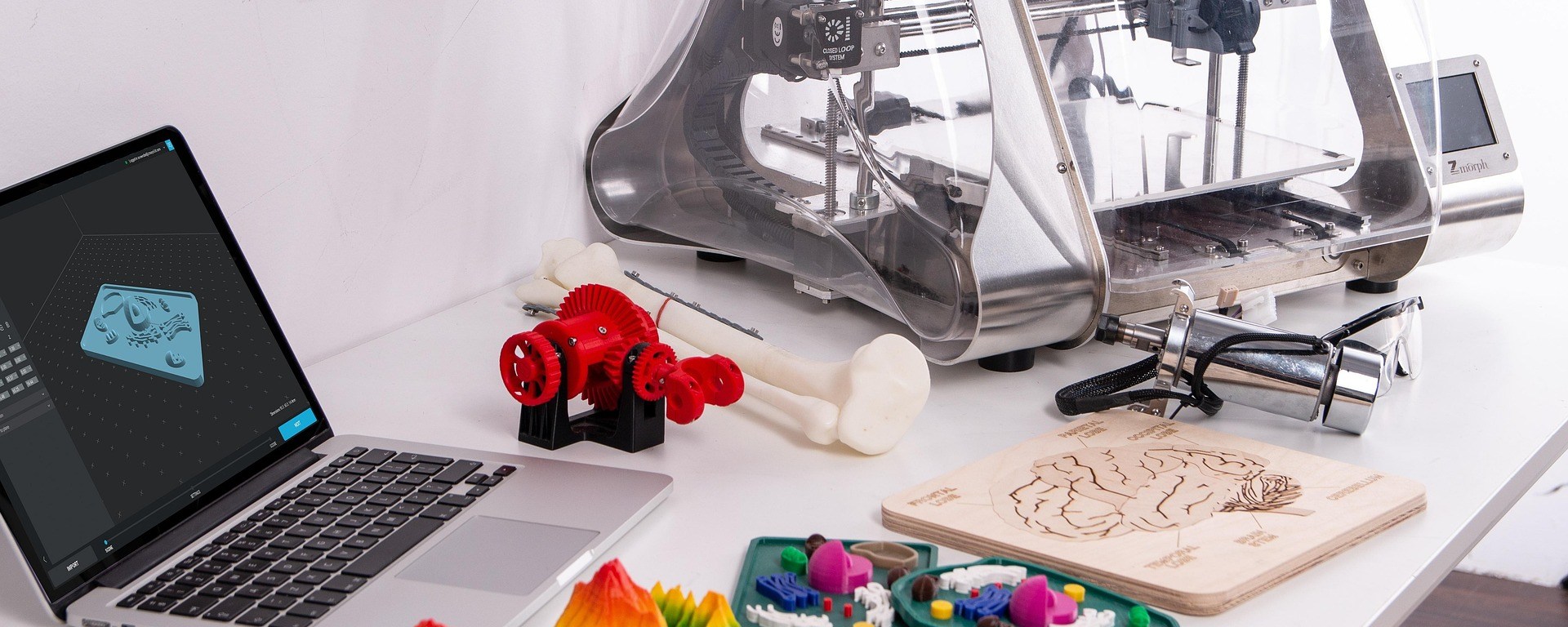
A new partnership between a care provider and university researchers is exploring how 3D printed meals could improve nutrition and dignity for people on texture-modified diets.
Rethinking Mealtimes in Care
Providing safe and nutritious meals for older people is a daily challenge across the UK care sector, particularly for those living with dysphagia. Texture-modified diets are essential to reduce choking risks, but they often come at the expense of presentation and, at times, nutritional value.
As digital health and home care technology continue to evolve, attention is turning to how innovation can improve not just clinical outcomes, but quality of life. A new collaboration between Spellman Care and University of Leeds is exploring whether 3D printed food could offer a practical solution to a long-standing issue.
Bringing Technology Into the Kitchen
The project, supported by PRINTFOODS UK, is still in its early stages, but it is already grounded in the realities of care delivery. Researchers have been working closely with kitchen and care staff across Spellman Care’s homes to understand how the technology might fit into day-to-day operations.
Rather than developing the concept in isolation, the study has involved detailed conversations with chefs and care professionals. These sessions have focused on how meals are prepared, the pressures of busy kitchens, and what would actually make a difference for residents.
That emphasis on practicality reflects a wider shift in community health technology, where solutions are increasingly designed with input from the people who will use them.
The Challenge of Texture-Modified Diets
For people with dysphagia, food must be softened or pureed to make it safe to swallow. While this is clinically necessary, it can make meals look unappealing and repetitive. Over time, this can affect appetite and enjoyment, contributing to poor nutrition.
Malnutrition remains a serious concern in care settings and is closely linked to worse health outcomes. It can increase the likelihood of hospital admissions and place additional pressure on services such as the NHS.
Researchers involved in the project have pointed out that a significant number of older adults in the UK are at risk of malnutrition, particularly those living in residential care. Improving the appeal and nutritional content of meals is therefore not just a quality-of-life issue, but a clinical priority.
What 3D Printed Food Could Offer
3D food printing works by using pureed ingredients to “print” foods into recognisable shapes. In a care setting, this could mean serving a meal that looks like a piece of chicken or a portion of vegetables, while still meeting the safety requirements of a texture-modified diet.
The idea is not simply about aesthetics, although presentation plays an important role. The technology could also allow for more precise control over nutrients, helping to ensure meals are both safe and nutritionally balanced.
For care providers, this could support a more person-centred approach to catering. Meals that look and feel familiar may encourage better engagement at mealtimes, which in turn could support improved intake and overall wellbeing.
At Spellman Care, kitchen teams already use moulds and piping techniques to improve the appearance of texture-modified meals. The introduction of 3D printing is seen as a potential next step, rather than a complete shift in approach.
Making It Work in Practice
Despite its promise, the success of 3D food printing in care homes will depend on how easily it can be integrated into existing systems. Kitchens in care settings are often working to tight schedules, with limited staff and resources.
Questions around speed, cost and training are likely to be central to adoption. Any new technology will need to demonstrate that it can deliver consistent results without adding significant pressure to already stretched teams.
This is why early input from care staff has been a key part of the project. By testing ideas against real-world conditions, the researchers hope to avoid developing a solution that works in theory but struggles in practice.
Looking Ahead
The next phase of the project will involve hands-on trials of 3D printed meals, giving care staff the opportunity to assess how the food performs in terms of taste, texture and usability.
If the results are positive, the technology could eventually be rolled out more widely across the UK care sector. There may also be longer-term potential for use in home care settings, particularly as equipment becomes more compact and affordable.
However, widespread adoption will depend on clear evidence that the technology can deliver measurable benefits. Care providers and local authorities will be looking for improvements in nutrition, resident satisfaction and operational efficiency before making significant investments.

