
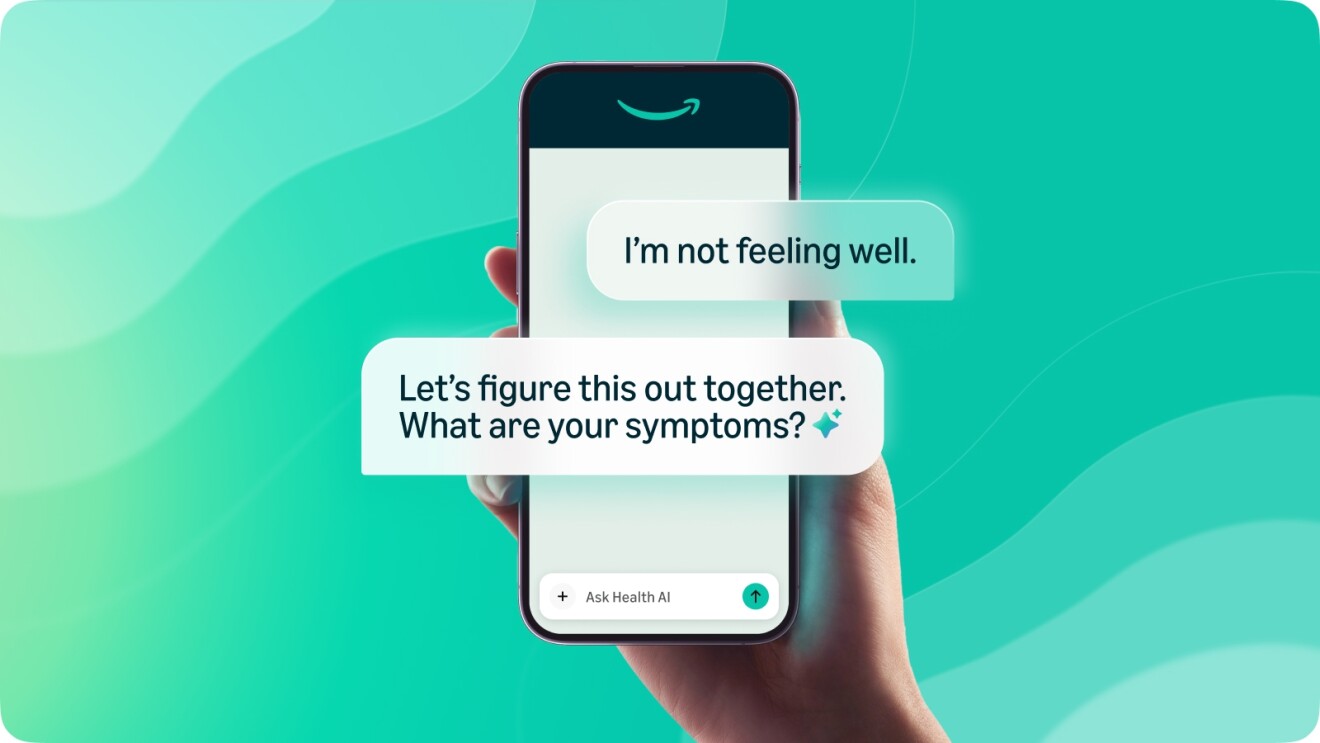
Amazon has launched an AI-powered health assistant designed to guide patients, interpret medical records and connect them with clinicians.
Amazon’s new health AI assistant signals shift toward smarter community care
Artificial intelligence is increasingly becoming part of everyday healthcare, from hospital diagnostics to remote monitoring in people’s homes. Now Amazon has taken another step into the digital health market with the launch of a new AI-powered health assistant designed to support patients between appointments and simplify access to care.
The system, called Health AI, sits within the company’s healthcare ecosystem and connects users with clinicians from Amazon One Medical. It can answer health questions, interpret medical records and take practical actions such as booking appointments or managing prescription renewals through Amazon Pharmacy.
Although the service is initially rolling out in the United States, the development highlights a broader shift in digital health. Large technology companies are increasingly building platforms that combine artificial intelligence, virtual care and medication services in one place.
For health and social care leaders in the UK, the move raises important questions about how similar technologies could support care closer to home and improve access to community services.
A digital assistant designed to guide patients through care
Amazon describes Health AI as a personalised digital health assistant capable of responding to health questions while also carrying out practical tasks for patients.
Users can interact with the system through a conversational interface in the Amazon app or website. If patients consent to share their medical information, the assistant can analyse their health records and provide context-specific guidance based on past diagnoses, medications and test results.
In practice, this means the AI might help someone interpret recent blood test results, understand potential side effects of medication or decide whether their symptoms require professional care. When necessary, the system can connect users directly with clinicians via messaging or video consultation through One Medical.
The technology runs on Amazon’s cloud-based AI infrastructure Amazon Bedrock and uses multiple AI components designed to monitor safety and escalate complex cases to human clinicians. According to the company, the system has been tested against a wide range of simulated clinical conversations before deployment.
Amazon emphasises that the assistant is intended to support patient decision-making rather than replace healthcare professionals.
Why technology companies are investing in healthcare
Amazon’s latest announcement reflects a growing trend of major technology firms entering the healthcare sector.
Digital platforms already shape how people manage many aspects of daily life, and companies see similar potential in health services. Millions of consumers already search online for medical advice or health products, creating opportunities to build integrated services around those interactions.
Through its acquisition of One Medical and expansion of Amazon Pharmacy, Amazon has steadily developed a network of services that link primary care, medication management and digital tools.
The company is also working with healthcare providers including Cleveland Clinic and Rush University System for Health to create pathways between primary care and specialist treatment.
Dr Omar Lateef, president and CEO of Rush University System for Health, said tools like Health AI could help patients navigate healthcare systems more effectively while remaining connected to clinicians.
The model reflects a broader shift towards what health analysts describe as “platform-based healthcare”, where digital services coordinate multiple aspects of a patient’s care journey.
Why the development matters for the UK care sector
While Amazon’s new assistant is currently limited to the US market, the technology behind it highlights several developments that are highly relevant to the UK care sector.
Health systems across the UK are facing growing demand for services, an ageing population and persistent workforce shortages. As a result, policymakers are increasingly exploring how digital health and care technology can support people to remain independent at home for longer.
Artificial intelligence assistants that help individuals interpret health information or navigate services could eventually become part of that digital infrastructure.
The NHS has already introduced digital services such as the NHS App, which allows patients to book appointments, view medical records and order repeat prescriptions. AI-powered assistants represent a possible next stage in that evolution, offering more personalised guidance and proactive health support.
For community health teams, such tools could help patients manage minor conditions or understand their symptoms before contacting a GP or urgent care service. This type of digital triage could reduce unnecessary appointments while ensuring people are directed to appropriate care when needed.
Potential applications in home care and social care
Beyond primary care, technologies similar to Health AI could have practical applications in home care technology and social care innovation.
Many people receiving care at home live with multiple long-term conditions and take several medications. Managing these treatments can be complex, particularly for older adults or people with cognitive impairments.
AI assistants integrated with care technology systems could help track medication schedules, explain treatment plans in accessible language and alert carers when potential problems arise.
For unpaid carers supporting relatives at home, digital health assistants might also help interpret medical information or organise appointments across different services. Navigating NHS and social care systems can be challenging, and tools that simplify access to information could reduce stress for families.
There is also potential for integration with remote monitoring technologies already used in community health services. Devices that measure blood pressure, blood glucose or oxygen levels could feed data into AI systems capable of identifying patterns and prompting early intervention.
This kind of preventative approach is increasingly important as the NHS expands virtual wards and remote care models designed to treat patients outside hospital settings.

